ECO4 Policy Changes for Eligible UK Households
A cold home with an ageing boiler is not simply uncomfortable. It can mean higher monthly bills, damp risks and difficult choices about how much heating to use. ECO4 policy changes have affected who can qualify, which improvements are prioritised and how funded work is assessed, so it is understandable if the scheme feels harder to follow than it should.
For households in older or inefficient properties, the key point is practical: ECO4 was designed to improve the homes that need it most. Where funding is available and a household meets the criteria, support can cover measures such as insulation, heating upgrades or first-time central heating without the usual upfront cost.
What the ECO4 policy changes mean in practice
ECO4 is the fourth phase of the Energy Company Obligation. It placed a stronger focus on improving low-income households living in the least energy-efficient homes. Rather than funding a single quick fix wherever possible, the scheme increasingly looked at the whole property and the improvements likely to make a lasting difference.
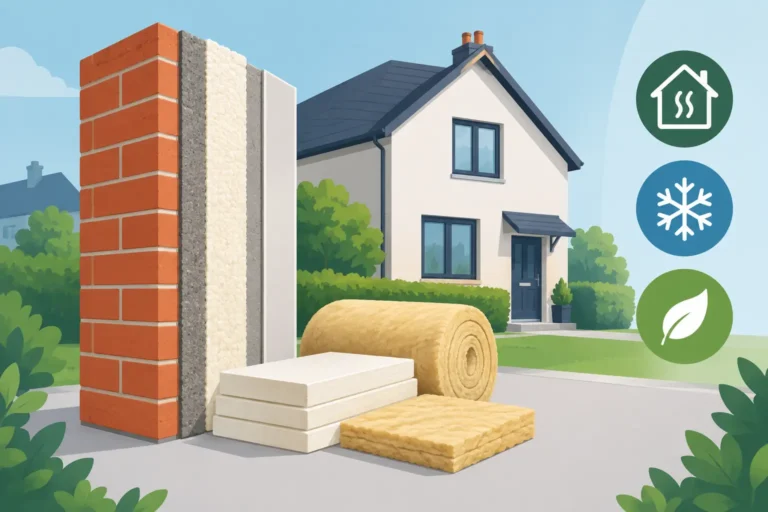
That matters because replacing a boiler in a poorly insulated home may not deliver the comfort or bill savings a household expects. A property assessment may identify loft, cavity wall, internal wall or solid wall insulation as the right starting point. In other homes, an inefficient non-condensing boiler, electric storage heating or no central heating at all may be the more urgent issue.
The policy direction also placed greater emphasis on property condition, appropriate retrofit design and evidence that measures are suitable. This can mean more checks before work is approved, but those checks are there to avoid unsuitable installations and to make sure funded upgrades genuinely help the household.
ECO4’s legislated delivery period ended on 31 March 2026. Any live availability now depends on replacement arrangements, local programmes and installer capacity. Households should therefore check their position rather than assume an ECO4 application remains open simply because they met the criteria previously.
Who was affected by ECO4 eligibility changes?
ECO4 support was aimed at households with lower incomes and homes that were expensive to heat. Eligibility could come through qualifying benefits, Warm Home Discount Core Group 2 status, or a local authority referral route where a household met set income and vulnerability criteria.
Homeowners were commonly eligible where their home had a lower Energy Performance Certificate rating, usually EPC band D to G. Private tenants could also be considered, although landlord permission and the property’s current rating were important. Social housing was generally subject to different rules and was not the main focus of ECO4.
A benefit or Warm Home Discount status did not automatically guarantee a funded installation. The final decision depended on the household, the property, the available funding route and what an assessment found. Equally, some households who assumed they would not qualify could be eligible through a local authority flexibility route.
This is why a free eligibility check is more useful than trying to interpret every policy update alone. A specialist can check the information that matters, explain what evidence may be needed and give a realistic view of the measures that may suit the home.
A greater focus on fabric-first improvements
One of the most meaningful ECO4 policy changes was the move towards a fabric-first approach. Put simply, this means reducing heat loss before, or alongside, installing new heating equipment.
If heat is escaping through an uninsulated loft, cavity walls or solid external walls, even an efficient heating system has to work harder. Insulation can help a home retain warmth for longer, reduce draughts and make room temperatures more stable. It may also allow a new boiler or air source heat pump to perform more effectively.
That does not mean every property needs the same package. Cavity wall insulation can be suitable for many homes, but not for every wall type or exposure level. Internal wall insulation may be considered where a property has solid walls, yet it requires careful planning because it can reduce room space and affect fittings, skirting boards and radiators. The right measure depends on a professional assessment, not a one-size-fits-all checklist.
For households, the benefit of this approach is that it addresses the reason a home is costly to heat, not only the equipment producing the heat.
Heating upgrades were assessed as part of the whole home
ECO4 continued to support heating measures, particularly where an existing system was old, inefficient or absent. This could include replacing an old non-condensing boiler, improving central heating controls, upgrading a heating system or fitting first-time central heating in an eligible property.
First-time central heating can be particularly valuable for homes that rely on costly electric heaters, room heaters or an outdated system that does not heat the whole property properly. A suitable installation may include a boiler, radiators, pipework and controls, although the exact work is determined by the property assessment and funding rules.
Air source heat pumps were also part of the conversation for some homes. They can offer lower-carbon heating and work best where a home is well insulated and the system has been properly designed. They are not automatically the best answer for every household. Space for the unit, radiator sizing, insulation levels and how residents use their heating all need consideration.
The practical lesson is that a grant is not a cash payment to spend on any preferred product. Funding is normally tied to approved, suitable measures installed through the relevant process. That protects households, although it does mean the recommended upgrade may differ from the one first imagined.
Why paperwork and assessments became more important
Policy changes brought tighter quality and compliance expectations. Before work could go ahead, providers needed to establish eligibility, assess the home, collect supporting documents and confirm that the proposed measures met the scheme rules.
That can sound daunting when you are already managing bills, work and family commitments. It need not be. The process is usually straightforward when someone handles it in the right order.
Step one: Check eligibility
The first stage looks at your household circumstances, whether you receive qualifying support or may meet a local authority route, and whether you own or privately rent the property. You may be asked for proof of address, benefit information or details connected with the Warm Home Discount.
Step two: Assess the property
A home assessment establishes how the property is heated, where heat may be escaping and what improvements are likely to be appropriate. It is also the point where issues such as wall construction, boiler age, ventilation and EPC rating can be reviewed.
Step three: Submit for funding approval
Once the suitable measures have been identified, the paperwork is prepared for approval. Only when funding and installation arrangements are confirmed should work be scheduled. A trustworthy provider will explain what is included, what preparation may be needed and whether any landlord consent is required.
At Vellurex, this is the part we make simple and stress-free: from the initial eligibility check to the property assessment, ECO4 paperwork and installation coordination.
What households should do before applying
Start by gathering the basic information you are likely to need. This includes your address, your heating type, an idea of the home’s age and condition, your EPC rating if known, and details of any qualifying benefit or Warm Home Discount status. Private tenants should also speak to their landlord early, as permission is needed before most significant improvements can be installed.
It is also sensible to be honest about problems in the property. Mention cold rooms, condensation, mould, a boiler that regularly breaks down, high electricity use or areas with no fixed heating. These details help an assessor understand what the home is really like to live in.
Be cautious of anyone promising automatic approval, asking for large upfront payments for a supposedly fully funded measure, or pressuring you to agree to work before explaining it clearly. Funding rules can be detailed, but the service you receive should be clear, respectful and transparent.
A warmer home starts with one clear check
Policy can change, funding windows can close and no two homes need exactly the same solution. But the purpose behind ECO4 remains easy to understand: helping households in inefficient homes access improvements they could struggle to afford themselves. If your heating is unreliable, your bills feel unmanageable or your home never seems to stay warm, a free eligibility check is a sensible first step towards a more comfortable, lower-cost home.