Are ECO4 Grants for Homeowners Still Available?
A broken boiler, cold rooms and rising energy costs can make an older home feel impossible to improve without spending thousands. ECO4 grants for homeowners were designed to address exactly that problem, helping eligible households receive funded heating and insulation measures without facing the usual upfront cost.
There is one crucial update to understand first. The ECO4 scheme was scheduled to run until 31 March 2026. If you are reading this after that date, new ECO4 applications may no longer be available. However, households already in the process may need clarity on their installation, and the end of ECO4 does not change the value of checking what other local or national support could be available for an inefficient home.
What ECO4 grants for homeowners were designed to provide
ECO4 was not a cash payment paid into a homeowner’s bank account. It was a government-backed energy-company obligation that required larger energy suppliers to fund energy-efficiency improvements in qualifying homes. The focus was on properties that were expensive to heat, poorly insulated or heated by old, inefficient systems.
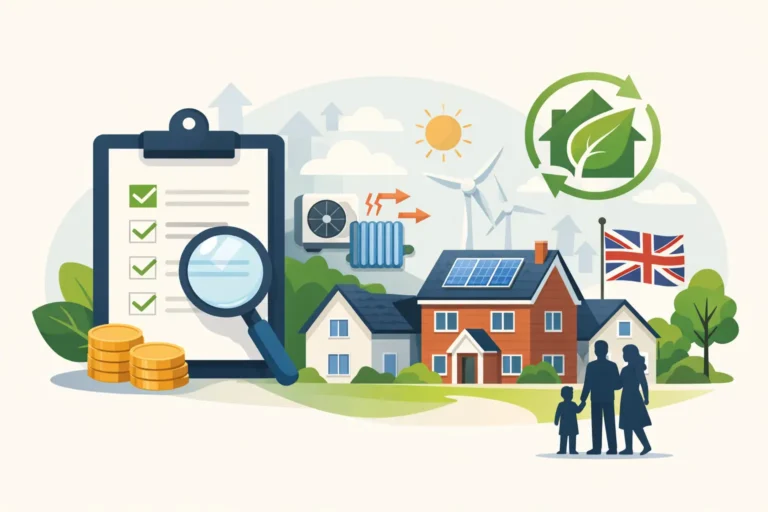
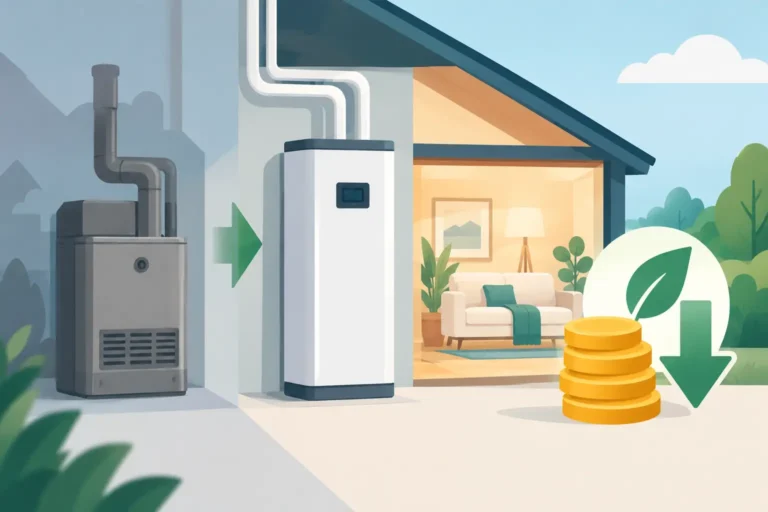
For eligible homeowners and private tenants, this could mean major work that would otherwise be out of reach. Depending on the property and the funding route, measures could include first time central heating, a replacement for an old non-condensing boiler, a more efficient heating system, loft insulation, cavity wall insulation, internal wall insulation or solid wall insulation. Some homes were also suitable for an air source heat pump, particularly where insulation and the existing heating setup made it practical.
The purpose was simple: use less energy to keep the home warm. That can reduce heating costs, improve comfort in winter and lower the property’s carbon emissions. The most suitable measure always depended on the individual home. A new heating system will struggle to perform well if heat is escaping through uninsulated walls or a draughty loft, while insulation alone may not solve a heating problem caused by an unreliable boiler.
Is ECO4 still available in 2026?
ECO4 was due to close at the end of March 2026. Funding schemes can have cut-off dates, supplier deadlines and installation requirements, so it is never safe to assume that an application can be started or completed after the official end date.
If you submitted details, had a survey or received an approval before the scheme ended, ask your provider for a clear update. They should explain whether your case was approved, what work was agreed, whether any paperwork remains outstanding and when installation can take place.
If you have not started an ECO4 application, do not pay for work simply because someone says funding is guaranteed. Ask whether the scheme is currently open, which measure is being proposed, and whether you will be asked to make any contribution. A reputable provider will explain the position plainly before arranging work.
Who could qualify for ECO4 support?
ECO4 was aimed primarily at households on lower incomes and homes with poorer energy performance. Eligibility was not based on one rule alone. It normally considered the resident’s circumstances, the property type, its heating system and its Energy Performance Certificate rating where available.
Many successful applications involved households receiving qualifying means-tested benefits. The scheme also included routes for some Warm Home Discount Core Group customers and households referred through a participating local authority under flexible eligibility, often called LA Flex. This helped reach people who may not receive a specific qualifying benefit but were still vulnerable to high heating costs.
Homeowners could apply, and private tenants could also be eligible in many cases. Private renters generally needed the landlord’s permission before improvements could be installed. Social housing followed different rules and was not the main focus of ECO4.
A qualifying benefit did not automatically mean every upgrade was available. Equally, a home in poor condition was not always eligible on its own. Funding decisions had to take account of the scheme rules in force, the supplier’s criteria and the survey findings. That is why a free eligibility check and property assessment were so useful: they replaced guesswork with an informed answer.
The home mattered as much as household circumstances
Surveyors looked at how the property loses and uses heat. An older solid-wall terrace, for example, may need a different solution from a cavity-wall semi-detached home. A house with no central heating could be considered for a first time central heating system, whereas another property might benefit more from insulation before its existing heating is upgraded.
The condition of the building also mattered. Damp, structural defects, unsafe electrics or access issues may need attention before funded measures can be installed safely. This is not a reason to give up. It is a reason for the assessment to be honest and thorough, so the work improves the home rather than creating a short-term fix.
What happened during the ECO4 process?
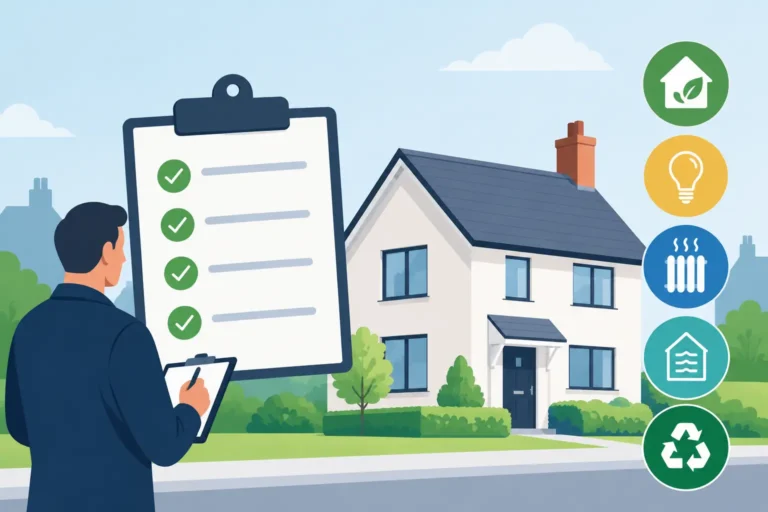
For households applying while the scheme was open, the most straightforward route began with an eligibility check. Basic information about the household, benefits or local-authority route, heating system and property was used to identify whether ECO4 looked realistic.
The next stage was a home assessment. This was more than a quick look at the boiler. The assessor considered the property construction, insulation, heating controls, ventilation and likely energy performance. They could then recommend measures that worked together, rather than suggesting an upgrade that was unsuitable for the home.
Once a measure was identified, the provider handled the ECO4 paperwork, checked the funding route and sought approval. Installation was arranged only after the required evidence and permissions were in place. With Vellurex, this three-step approach was designed to make an often confusing process simpler and less stressful for households who already have enough to manage.
Before agreeing to any work, homeowners should have been told what is being installed, where it will go, how long it is expected to take and what aftercare is included. For a heating replacement, ask how to use the controls efficiently. For insulation, ask about ventilation and any changes needed to prevent condensation. Good retrofit work considers the whole home, not just the item being fitted.
Why insulation and heating often need to be considered together
It is understandable to focus first on the boiler when it keeps breaking down or costs a fortune to run. Yet the cheapest energy is the energy your home does not lose. Loft, cavity wall, internal wall and solid wall insulation can reduce heat loss and help rooms stay comfortable for longer.
There are trade-offs. Internal wall insulation can reduce room dimensions slightly, while solid wall insulation is more involved than insulating a standard cavity wall. Air source heat pumps can deliver efficient low-carbon heating, but they need the right property assessment, suitable radiator capacity and good insulation to perform at their best. A gas boiler replacement may be more appropriate in some homes, particularly where a practical heat-pump installation is not possible.
The right recommendation should be based on the property, not a one-size-fits-all sales pitch. Ask why a measure is suitable for your home and what difference it is expected to make to warmth, energy use and running costs.
Questions homeowners still ask about ECO4
Were ECO4 improvements always fully funded?
Many approved ECO4 measures were fully funded for eligible households, but funding was not automatic and arrangements could vary by supplier, property and proposed work. Never assume there is no cost without receiving confirmation in writing before installation.
Could I choose any boiler or heating system I wanted?
No. ECO4 funding was for qualifying energy-efficiency measures that were appropriate for the home. The available options depended on survey results, scheme rules and technical suitability.
Can I still improve my home if ECO4 has ended?
Yes, although the source of support may be different. Check with your local authority, energy supplier and an experienced energy-efficiency provider for current schemes, local funding or practical advice. Availability can change, so an up-to-date eligibility check is worth far more than relying on an old advert or social media post.
What should I do if I am worried about a cold or unsafe heating system now?
Contact your energy supplier and local authority promptly, especially if someone in the household is elderly, disabled, has a long-term health condition or includes young children. They may be able to explain emergency support, payment help or local services while you explore longer-term improvements.
A warmer, lower-cost home starts with clear information, not pressure. If your property is difficult to heat, ask for a proper assessment of the building and your current heating system, then choose support that genuinely fits your circumstances.