Heating Upgrade Guide for Lower Energy Bills
A heating system that only works when the thermostat is turned high, a boiler that keeps losing pressure, or radiators that stay cold at the bottom can make winter feel expensive before the bill even arrives. This heating upgrade guide helps UK homeowners and private tenants understand what to improve first, which measures may reduce heat loss, and how funded support could make the work more affordable.
For many households, the right answer is not simply replacing a boiler. A home can have a new heat source and still feel cold if warmth is escaping through the loft, walls, windows or draughty gaps. Looking at the whole property gives you a better chance of improving comfort and lowering the energy needed to keep rooms warm.
Start your heating upgrade guide with the property
Before choosing a boiler or heat pump, consider how your home currently performs. Older properties often have a combination of issues: an inefficient heating system, limited controls, poor insulation and rooms that do not warm evenly. These problems can affect one another.
Start with the signs you notice every day. You may be dealing with high gas or electricity bills, condensation on windows, mould on colder walls, a noisy boiler, unreliable hot water, or a living room that is warm while bedrooms remain chilly. These are useful details for a property assessment because they help identify whether the priority is the heating system, insulation, ventilation, or a combination of measures.
A free home assessment should look beyond the boiler itself. An assessor can review the age and condition of the existing system, the type of insulation already in place, the construction of the walls, heating controls and the likely suitability of different improvements. This avoids spending time pursuing an upgrade that does not suit the property.
Insulation often comes before a new heating system
Heating a poorly insulated home is a little like filling a bath without putting the plug in. The heating may be working hard, but the warmth does not stay where it is needed. Insulation can reduce heat loss and may make a home easier and less costly to heat.
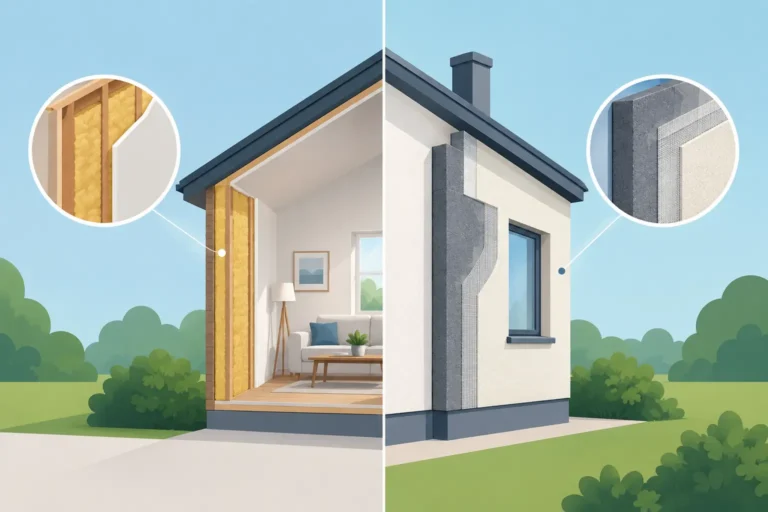
Loft insulation is often one of the most straightforward measures where access and suitability allow. Cavity wall insulation can help homes built with suitable cavity walls, while internal wall or solid wall insulation may be considered for properties without cavities. Each option has practical trade-offs. Internal wall insulation can affect room dimensions and may require adjustments around sockets, skirting boards and fittings. Solid wall insulation is a more involved measure, but it can make a significant difference in the right home.
Ventilation matters too. A warmer, more airtight home still needs appropriate airflow to manage moisture. Good assessments consider this, particularly where a household has existing damp or mould concerns. The goal is a home that holds heat better without creating avoidable condensation problems.
Choose the heating measure that fits your home
Once heat loss has been assessed, it is easier to understand the available heating options. The most appropriate measure depends on the fuel currently used, the age and efficiency of the existing system, the home’s layout, insulation levels and the funding route available.
First-time central heating
Some homes have never had a full wet central heating system. They may rely on electric storage heaters, room heaters or older electric heating that can be difficult to control and costly to run. First-time central heating may include a new boiler, radiators, pipework and heating controls, giving the household a more consistent way to heat the property.
This is a major improvement, so survey findings are especially important. Installers need to establish where pipework can run, how radiators can be positioned and whether the property needs insulation work alongside the new system.
Replacing an old non-condensing boiler
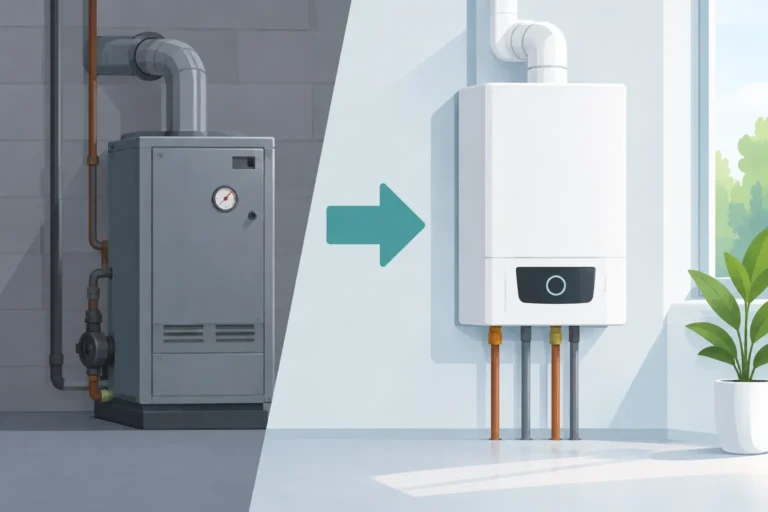
An older non-condensing boiler can waste more fuel than a modern, efficient replacement. If it is unreliable, expensive to repair or struggling to heat the home, replacement may be worth exploring. A new boiler is not a guarantee that bills will fall by a fixed amount, as usage, energy prices and insulation all affect costs. However, replacing an inefficient system can reduce unnecessary energy waste and improve reliability.
Simple controls also make a difference. A programmer, room thermostat and thermostatic radiator valves can help householders heat rooms at the times and temperatures that suit them. They are most useful when residents are shown how to use them properly after installation.
Air source heat pumps
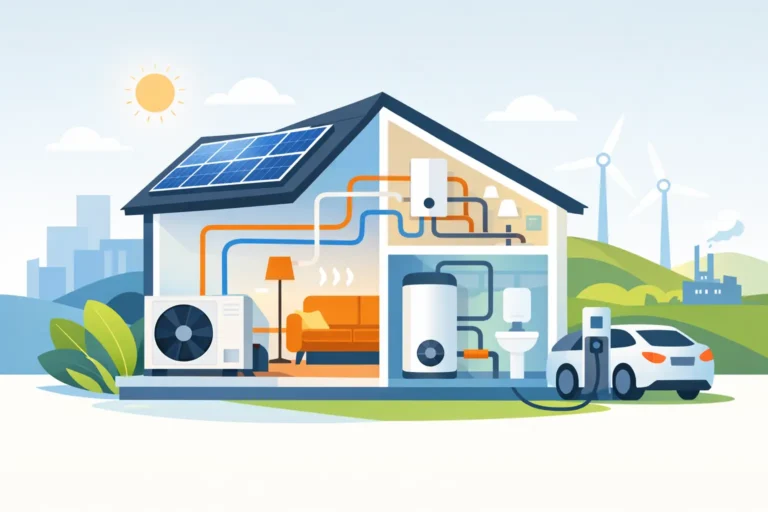
Air source heat pumps take warmth from the outside air and use electricity to provide heating and, in many cases, hot water. They can be a lower-carbon alternative to fossil-fuel heating, but they are not a one-size-fits-all swap.
A heat pump generally performs best in a property with a good standard of insulation and a carefully designed heating system. It may require larger radiators, changes to pipework or a hot-water cylinder. Space, electrical capacity and household heating habits also matter. A professional assessment should explain what work would be needed rather than presenting a heat pump as automatically suitable for every home.
Understand funded support and eligibility
Government-backed energy-efficiency funding has helped eligible households access improvements that would otherwise be difficult to afford. Eligibility can depend on household circumstances, property details, energy performance and the rules of the funding route in place at the time of application.
ECO4 had a scheduled delivery end date of March 2026. If you are reading this after that date, do not assume that an ECO4 application is still available. Successor schemes, local authority support or other funding routes may operate differently, with their own rules and available measures. The sensible first step is to request an up-to-date eligibility check rather than relying on information from a neighbour, an old social media post or a general online calculator.
Households may have qualified through certain benefits, the Warm Home Discount core group, or local authority eligibility criteria. Homeowners and private tenants can both be considered under some funding routes, although private tenants may need their landlord’s permission before work can go ahead. A property assessment is normally needed before funding can be confirmed.
Fully funded support, where available and approved, can remove the large upfront cost of eligible measures. It does not mean every property receives every upgrade. Funding decisions are based on programme rules, survey results and the measures that are suitable for the home.
What happens from enquiry to installation?
The process should feel clear, not like another complicated form to complete. At Vellurex, the aim is to make the route straightforward: check whether you may qualify, arrange a free assessment, then manage the paperwork and coordinate approved work.
During an eligibility check, provide accurate information about who lives in the property, the benefits or support received where relevant, your tenure and your current heating. You may be asked for evidence later, so keeping letters or account information to hand can help prevent delays.
At the assessment stage, be open about problems such as damp, cold rooms, access restrictions, previous insulation or planned building work. These details can affect what is suitable. If funding is approved, you should receive an explanation of the proposed work, what access installers need and how long the installation is likely to take.
Before work begins, ask practical questions. Find out whether you need to clear the loft, move furniture away from radiators, make arrangements for pets, or plan around short periods without heating or hot water. A good installation plan recognises that this is your home, not just a project on a schedule.
Make the improvement last
After an upgrade, take time to understand the new controls. Turning the thermostat up very high will not warm a home faster, but it can increase energy use. Set sensible schedules around your routine, use radiator valves to reduce heat in little-used rooms, and report any unexpected faults promptly.
If insulation or ventilation work has been completed, keep air vents clear and continue to manage everyday moisture from cooking, bathing and drying clothes. Small habits support the performance of the larger improvements.
A cold, costly home does not have to be accepted as normal. Start with a free, current eligibility check and a proper assessment of the property, so the next step is based on what will genuinely help your household stay warmer for less.