
Are Cavity Wall Insulation Grants Available?
If your home feels cold soon after the heating goes off, or certain rooms are always harder to warm up, heat may be escaping through the walls. Cavity wall insulation grants can help eligible households improve this without facing the usual upfront cost. Through the government-backed ECO4 scheme, qualifying homeowners and private tenants may be able to receive funded insulation measures that make their property warmer, cheaper to heat and less carbon intensive.
For many households, the biggest obstacle is not knowing where to start. ECO4 rules, property types and funding routes can sound complicated. The practical first step is much simpler: check your eligibility, arrange a free assessment and let an experienced provider handle the paperwork.
What are cavity wall insulation grants?
Cavity wall insulation grants are funding arrangements that can cover the cost of adding insulation to the gap between the inner and outer walls of a suitable home. Many UK properties built from around the 1920s onwards have cavity walls, although construction methods vary and every property must be assessed before work is approved.
The insulation helps slow down heat loss. Instead of your boiler or heating system constantly working to replace warmth that is escaping, your home can retain heat for longer. This can make rooms feel more comfortable and may reduce the energy needed to maintain a steady temperature.
Under ECO4, cavity wall insulation may be offered as part of a wider package of energy-efficiency improvements. The available measures depend on your household circumstances, your Energy Performance Certificate rating, the condition of the property and what will deliver the right improvement. In some cases, loft insulation, heating upgrades or other wall insulation solutions may be more appropriate.
Who could qualify for ECO4 support?
ECO4 is designed to support households in homes that are costly to heat and less energy efficient. Eligibility commonly depends on both the household and the property, rather than one factor alone.
You may be suitable for an ECO4 assessment if you receive certain qualifying benefits, are part of the Warm Home Discount core group, or meet your local authority’s eligibility criteria through a flexible eligibility route. Homeowners and private tenants can be considered, although private tenants will normally need their landlord’s permission before work can go ahead.
Your home’s energy rating also matters. ECO4 generally focuses on properties with lower EPC ratings, where insulation and heating improvements can make the greatest difference. A free property assessment confirms what type of walls you have, whether the cavity is suitable for insulation and whether there are any issues that need attention first.
Funding criteria can change, and approval is never automatic. That is why it is worth checking rather than assuming you will not qualify. Many people put off improvements because they expect forms, technical questions and large bills. With the right support, the process can be far more straightforward.
Is cavity wall insulation right for every home?
No. Cavity wall insulation is highly effective for many suitable properties, but it must be installed in the right conditions. A surveyor will look at the wall construction, exposure to wind-driven rain, existing insulation, ventilation and the general condition of the brickwork or render.
For example, walls with unresolved damp problems, damaged pointing or significant exposure may need repair work or a different insulation approach. Filling an unsuitable cavity can create problems rather than solve them, so a proper assessment protects both your home and the value of the improvement.
Some older homes have solid walls rather than cavity walls. In that situation, internal wall insulation or solid wall insulation could be considered instead. These measures work differently and may involve more disruption, but they can still make a noticeable difference to comfort and running costs when properly designed.
The goal is not to fit the same measure in every property. It is to recommend the improvement that suits your home, your heating needs and the available funding.
How the cavity wall insulation grant process works
The easiest route is a managed three-step process. It removes the pressure of trying to interpret ECO4 requirements alone and gives you a clear picture of what may be available.
1. Start with a free eligibility check
You provide a few details about your household, benefits where relevant, tenure and property. This initial check helps establish whether ECO4 funding may be an option. It is also an opportunity to explain your main concerns, such as high gas bills, cold bedrooms or an old heating system that struggles in winter.
A check does not commit you to any work. It simply helps identify whether it is worth moving forward to a property assessment.
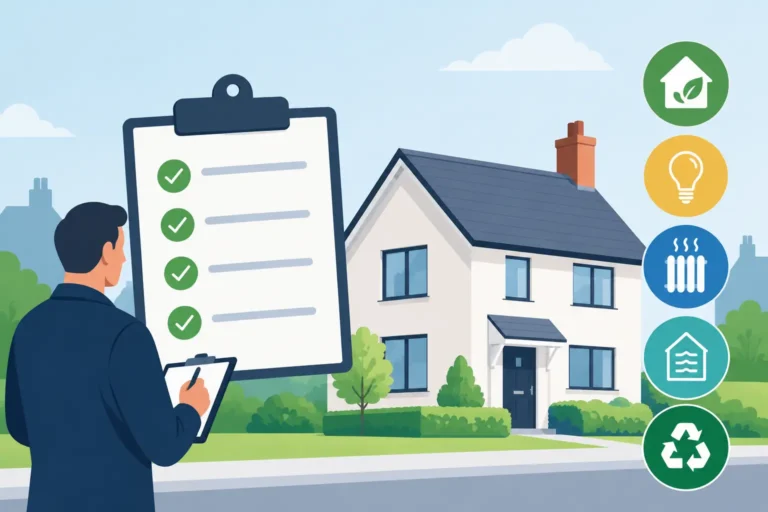
2. Have your property assessed
If you appear eligible, an assessor examines the home to identify suitable energy-saving measures. For cavity wall insulation, they will confirm the type and condition of the walls and whether insulation can be installed safely and effectively.
The assessment may also identify other areas of heat loss. A poorly insulated loft, an inefficient boiler or a lack of central heating can affect how much warmth your home retains. Looking at the property as a whole helps avoid a piecemeal solution that leaves major problems unresolved.
3. Funding approval and installation
Once a suitable measure has been identified, the ECO4 paperwork and funding process can be progressed. Vellurex can help manage this journey, from the initial checks to installation coordination, so you are not left chasing forms or trying to understand technical requirements on your own.
If funding is approved, the installation is arranged with the necessary permissions and checks in place. Timescales vary because each application, assessment and property is different. You should always receive a clear explanation of the work proposed before anything goes ahead.
What difference can insulation make to energy bills?
Insulation does not create heat. What it does is reduce the rate at which heat leaves your home. That means your heating system may not need to run as long or work as hard to achieve the temperature you want.
The savings you see will depend on the size of your property, its current insulation levels, your heating system, energy prices and how you use your home. A detached house with empty cavity walls may have more potential for improvement than a smaller property that already has partial insulation. Comfort is often the first change households notice: fewer cold spots, warmer walls and rooms that stay warmer after the thermostat turns down.
There is also an environmental benefit. Using less energy for heating can reduce your household’s carbon emissions. For a home with an older boiler or poor insulation, combining the right measures can help create a more efficient, more responsible property for the years ahead.
Questions to ask before insulation is installed
A reputable assessment should give you confidence, not leave you with more uncertainty. Ask whether your walls are definitely suitable, what checks have been made for damp and weather exposure, and what preparation is needed before installation.
It is also sensible to ask what work will take place inside and outside the property, how long it is expected to take and whether there are any responsibilities for you or your landlord. If an installer recommends additional measures, ask how they work together and whether each one is covered by the proposed funding.
Be cautious about anyone who promises funding before assessing your property or pressures you to make a decision immediately. Genuine grant support should be based on eligibility, technical suitability and an approved funding route.
Take the first step towards a warmer home
High heating costs can make winter feel like a constant compromise between comfort and affordability. If you live in a cold, inefficient property, it is worth finding out whether ECO4 could help with cavity wall insulation or another funded improvement.
A free eligibility check can give you a clearer answer without the stress of handling the process alone. The right home upgrade starts with understanding what your property needs, then taking one practical step towards a warmer and lower-cost home.


3 Comments