Boiler Upgrades to Cut Bills and Stay Warm
A boiler that takes too long to heat your home, makes unfamiliar noises or needs constant repairs can turn every cold spell into a worry. Boiler upgrades can make a meaningful difference to warmth, reliability and household energy costs, especially in older UK homes with inefficient heating systems.
For many households, the biggest barrier is not recognising the problem. It is finding thousands of pounds to replace a boiler while managing everyday bills. Government-backed ECO4 funding may help eligible homeowners and private tenants access fully funded energy-efficiency improvements, with support from the first eligibility check through to installation.
When are boiler upgrades worth considering?
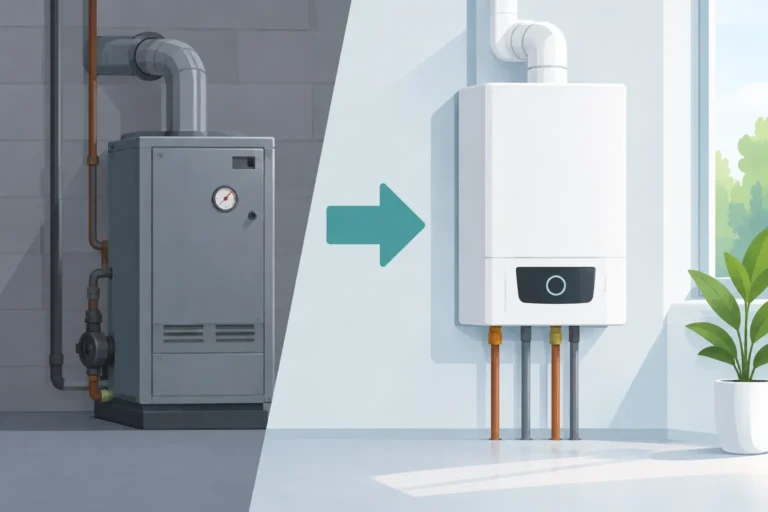
An older non-condensing boiler can waste a significant amount of the fuel it uses. Unlike a modern condensing boiler, it does not recover as much heat from the gases produced during combustion. The result can be higher gas use, uneven heating and a home that never quite feels comfortable.
You may benefit from an assessment if your boiler is more than 10 to 15 years old, breaks down repeatedly, struggles to heat radiators, or leaves you with unreliable hot water. Rising bills can also be a warning sign, although poor insulation, draughts and unsuitable heating controls may be contributing too.
A replacement is not automatically the right answer for every property. A newer boiler with a minor fault may only need a repair, while a poorly insulated home may lose much of the heat a new system produces. This is why a proper property assessment matters. It looks at the home as a whole rather than treating the boiler as the only issue.
What a modern heating upgrade can change
A suitable new heating system can heat your home more efficiently and give you better control over when and where warmth is needed. Modern boilers are designed to use less energy than old non-condensing models, particularly when paired with working thermostatic radiator valves and simple heating controls.
The practical benefits often matter most. Rooms can warm up more consistently, hot water can be more dependable, and there is less risk of being left without heating during winter. Reduced energy use can also help lower household bills, although the amount saved depends on the property, your heating habits, energy prices and the condition of your existing system.
There is an environmental benefit too. Using less fuel to heat a home means lower carbon emissions. For households concerned about both monthly costs and the footprint of their property, that is a worthwhile improvement without needing to become an expert in heating technology.
Boiler upgrades through ECO4 funding
ECO4 is a government-backed scheme designed to improve the energy efficiency of homes that are costly to heat. It focuses on households that may be on lower incomes, receive qualifying benefits, fall within the Warm Home Discount core group, or meet local authority eligibility criteria.
Where a household and property qualify, boiler upgrades and other measures may be fully funded. Eligibility is not guaranteed, and the measures available depend on the home, its current heating system and its energy-efficiency needs. A free check is the clearest place to start because it avoids assumptions about what funding may be available.
At Vellurex, the process is kept straightforward. We check eligibility, arrange a free property assessment and handle your ECO4 paperwork as funding is reviewed. That means you do not have to work through grant rules alone or try to organise every part of the upgrade yourself.
Why insulation may be considered alongside heating
It can be tempting to focus only on the boiler when bills are high. But if warmth is escaping through the loft, walls or gaps around the property, even an efficient boiler has to work harder to maintain a comfortable temperature.
Depending on the assessment, insulation measures such as loft, cavity wall, internal wall or solid wall insulation may be recommended alongside heating improvements. This is not unnecessary extra work. It can help a heating system perform as intended by keeping more heat inside the home for longer.
The right combination varies. A property with an old boiler and uninsulated loft may need both issues addressed. Another home may already have an efficient boiler but need better controls or insulation. The assessment should identify the measures that make the strongest difference for your home.
The simple route from enquiry to installation
Applying for funded home improvements can sound complicated, particularly when you are already dealing with high bills or a boiler that is failing. A clear process removes much of that pressure.
First, complete an eligibility check. You will be asked for basic information about your household, property and benefits or qualifying circumstances. This helps establish whether ECO4 funding could be an option.
Next comes the home assessment. A qualified assessor reviews the property and current heating arrangements to establish which improvements are suitable. This step is important because it protects you from installing a measure that is not appropriate for the home.
Finally, the funding and installation details are arranged. Once approval is in place, the installation can be coordinated with you. Timescales can vary depending on survey findings, funding requirements and installer availability, but clear communication should keep you informed at each stage.
What homeowners and private tenants should know
Homeowners can usually begin with an eligibility check and property assessment. Private tenants may also be able to apply, but the landlord’s permission will generally be needed before improvements are installed. If you rent a home with an outdated boiler, it is still worth asking about your options rather than assuming assistance is unavailable.
It also helps to keep expectations realistic. Fully funded support is aimed at qualifying households and properties, so not everyone will be eligible. The final recommendation may include insulation, heating controls, a boiler replacement, first-time central heating or an air source heat pump rather than the exact measure you first had in mind.
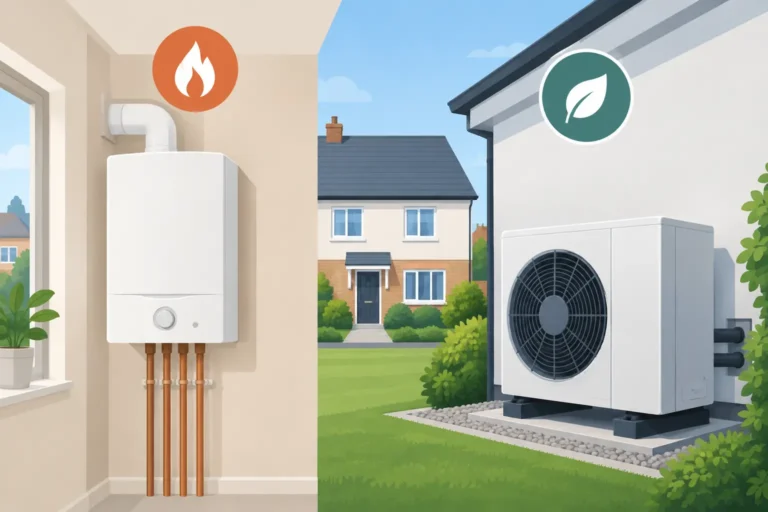
An air source heat pump may be a suitable alternative in some homes, especially where the property can be made efficient enough to retain heat well. However, it is not a one-size-fits-all replacement for a boiler. The property layout, insulation level, radiator capacity and existing heating system all need to be considered.
How to prepare for a boiler assessment
You do not need to know the make and model of every part of your heating system before getting in touch. Still, a few details can make the conversation easier: roughly how old the boiler is, whether it is reliable, which rooms feel cold, and whether you have insulation in the loft or walls.
If possible, have recent energy bills available and mention any recurring faults or repair history. Be open about how you use the home too. A household with young children, older residents or health conditions may have different heating needs from a household that is out during the day.
The assessor can then build a clearer picture of the challenges in the property. The aim is not simply to replace equipment. It is to help create a warmer, more affordable home that uses energy more wisely.
A warmer home can start with a free check
Living with an ageing boiler should not mean choosing between comfort and keeping bills under control. If you think your heating is inefficient, an eligibility check can show whether fully funded support may be available and which improvements could make the greatest difference.
Taking that first step does not commit you to an installation. It gives you clearer information, practical guidance and a route to support that may make a warmer, lower-cost home achievable.


One Comment