ECO4 Scheme: What It Offered UK Households
High heating bills are often a sign that a home is losing warmth faster than it can create it. The ECO4 scheme was designed to tackle that problem for eligible households, funding measures that could make an older, inefficient property warmer, cheaper to run and lower in carbon emissions.
The scheme’s delivery period ended on 31 March 2026, so new ECO4 installations are no longer being accepted under the original programme. However, it remains useful to understand what ECO4 covered, especially if you had an application or assessment underway, are waiting for an update on approved work, or want to prepare for the next available local or national funding opportunity.
What was the ECO4 scheme?
ECO4 was the fourth phase of the Energy Company Obligation, a government-backed programme delivered through larger energy suppliers. Its purpose was to help households in fuel-poor and energy-inefficient homes make meaningful improvements without facing the usual upfront cost of major heating or insulation work.
Rather than paying for a single quick fix, ECO4 focused on improving the overall condition of a home. In practical terms, this could mean dealing with poor insulation first, then improving the heating system so the property could hold onto warmth more effectively. This whole-house approach matters. A new boiler may help, but it cannot solve the problem of heat escaping rapidly through an uninsulated loft, cold walls or draughty gaps.
For many households, the attraction was clear: potentially fully funded improvements, lower heating costs and a more comfortable home. Funding was always subject to eligibility, property suitability and an approved assessment. It was not an automatic entitlement, but it gave qualifying households access to upgrades that may otherwise have felt out of reach.
Which home improvements could ECO4 fund?
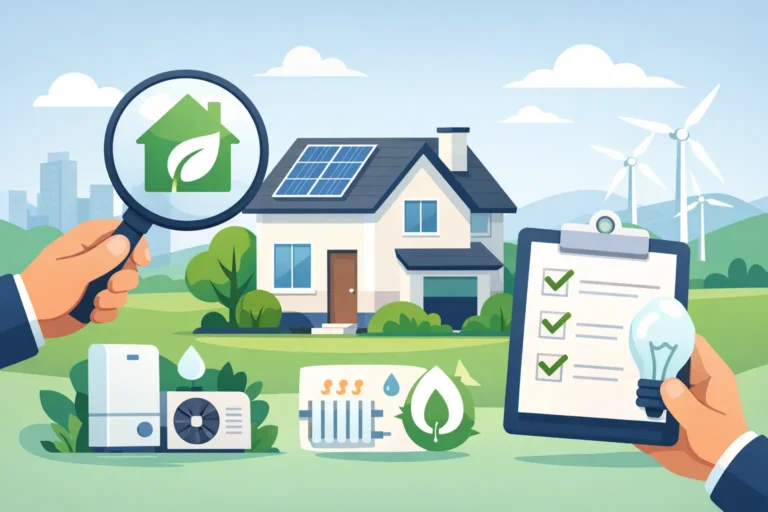
The measures available depended on the home, its existing heating, energy performance and the work needed to improve it. An assessor would look at the property as a whole rather than simply choosing the most obvious replacement.
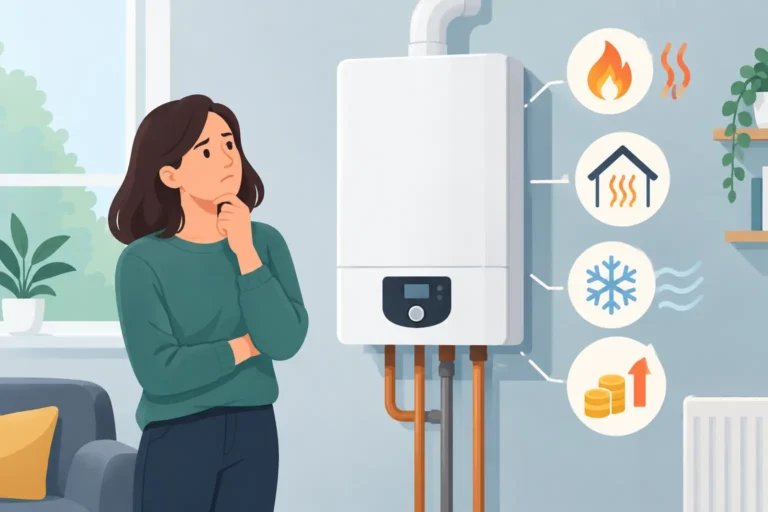
Heating support could include a first-time central heating system for homes without one, replacement of an old non-condensing boiler, central heating improvements or, where suitable, an air source heat pump. These changes could be particularly valuable in properties relying on old electric heaters, room heaters or an inefficient boiler that was expensive to run and difficult to repair.
Insulation was often a central part of the plan. Depending on construction and condition, this could include loft insulation, cavity wall insulation, internal wall insulation or solid wall insulation. Insulation helps keep heat indoors for longer, which can improve comfort in every room and reduce the amount of energy needed to maintain a sensible temperature.
The right measure was never exactly the same for every household. A Victorian solid-wall terrace, for example, needs a different approach from a cavity-wall semi-detached house. Likewise, a heat pump can be an excellent option in a suitably insulated property, but it needs proper assessment and system design. This is why a free property assessment was such an important stage of the process.
Who could qualify for ECO4 support?
ECO4 was aimed primarily at lower-income and vulnerable households living in homes with poor energy efficiency. Eligibility could be based on receiving certain qualifying benefits, being identified through the Warm Home Discount core group, or meeting local authority criteria through a flexible eligibility route.
Homeowners and private tenants could both be eligible. Private renters generally needed their landlord’s permission before work could go ahead, while the property’s condition and energy rating also played a part. Being on a qualifying benefit did not guarantee a particular upgrade, just as owning an old boiler did not guarantee approval. The household and property both had to meet the programme requirements.
This sometimes caused understandable confusion. Two neighbours could have similar incomes but qualify for different measures because their homes were built differently, heated differently or had different insulation already in place. The assessment was there to establish what would provide a real energy-efficiency improvement, not simply what was easiest to install.
The ECO4 process made simpler
Grant funding can sound daunting when you are already dealing with high bills, a cold home or a heating system that keeps letting you down. The practical process was designed to be much more straightforward than the paperwork behind it.
It started with an eligibility check. Basic details about the household, benefits or qualifying route, property type and current heating were used to see whether an application was worth progressing. This initial step could save time by identifying likely eligibility before arranging a survey.
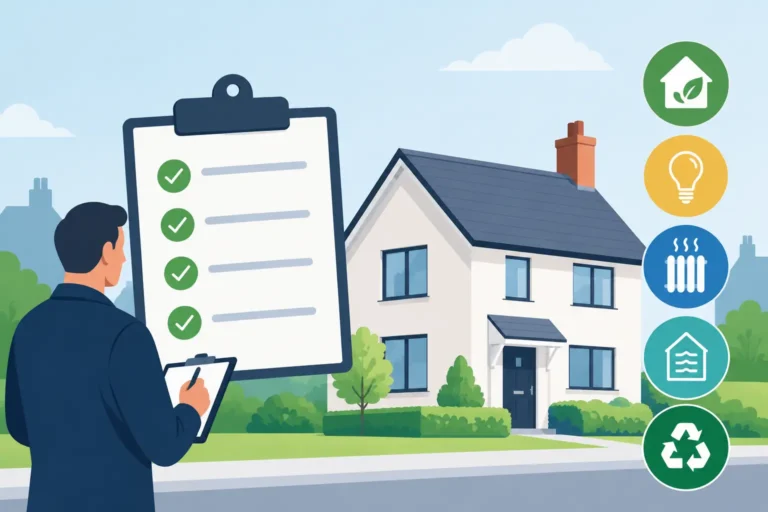
Next came the home assessment. A qualified assessor reviewed the property, including the heating system, insulation, construction type and energy performance. They would identify suitable measures and explain any practical considerations, such as access requirements, the likely location of equipment or the need for landlord consent.
Finally, the funding application and installation coordination took place once approval had been confirmed. A specialist provider could manage the ECO4 paperwork, arrange the required evidence and keep the customer informed. For households unfamiliar with grant rules, that support made the process far less stressful.
What fully funded meant in practice
“Fully funded” meant that the approved work could be provided without the household paying the normal installation cost. For a major heating or insulation project, that could represent a substantial saving.
However, it was always wise to ask clear questions before agreeing to work. Households needed to understand exactly which measures were approved, whether all associated work was included, how long installation might take and what disruption to expect. Funding levels and requirements could vary by property and measure, so no responsible provider should promise an upgrade before a proper assessment and approval.
A good installer should also explain how to use any new heating controls and what maintenance may be needed. An efficient system only delivers its best results when it is properly commissioned and the household feels confident using it.
If you started an ECO4 application before it closed
If you began an ECO4 enquiry or assessment before 31 March 2026, contact the provider that handled your case. Ask whether funding was approved, whether an installation date has been allocated and whether any further documents are required from you. Keep copies of any letters, benefit evidence, tenancy permissions and assessment paperwork you have received.
Do not assume that silence means the application has failed, but do ask for a clear update. Some cases may require additional checks, changes to the proposed measure or confirmation that the work can still be completed under the applicable arrangements. The provider should be able to explain your position in plain language.
What can households do after ECO4?
The end of ECO4 does not change the need for warmer, more affordable homes. If your heating is unreliable, your boiler is old, or your home feels cold even when the heating is on, start by gathering the basics: your latest energy bills, details of your heating system, any EPC information and evidence of benefits or local authority support where relevant.
You can then ask a specialist to check what funding routes are currently available in your area. Available support can depend on where you live, your household circumstances, the type of property and the measures required. Local authority programmes and future government schemes may have different rules from ECO4, so an old eligibility decision should not be treated as a final answer.
Vellurex can help households understand the options, arrange a free assessment where funding is available and handle the paperwork that often puts people off applying. The aim is still the same: remove the upfront and administrative barriers between an inefficient home and the improvements it needs.
A cold, costly home should not be something you simply put up with. Keep your property information to hand, ask for an eligibility check and take the next available opportunity to make your home warmer, greener and less expensive to heat.