Home Insulation That Cuts Heat Loss and Bills
Cold rooms, draughty walls and a heating system that never seems to catch up are common signs that heat is escaping from your property. Home insulation helps hold that warmth where it belongs, so your boiler or heat pump does not have to work as hard to keep you comfortable.
For many households, insulation is not just about feeling warmer in winter. It can mean lower heating costs, fewer cold spots, less condensation and a home that is easier to heat every day. If paying for major improvements feels out of reach, fully funded support may be available for eligible households through government-backed energy-efficiency schemes.
Why home insulation makes such a difference
Heating a poorly insulated home is a little like filling a bath with the plug out. You can keep adding heat, but much of it escapes through the roof, walls, floors, windows and gaps around the building. This is particularly common in older UK homes, where construction standards were very different from those used today.
Insulation slows down that heat loss. It helps rooms retain warmth for longer after the heating has switched off, which can reduce the amount of energy needed to maintain a comfortable temperature. The exact saving depends on your property, existing insulation, energy use and heating system, but the improvement to comfort can be immediate.
It also supports a greener home. When your heating uses less fuel or electricity to achieve the same warmth, your household carbon emissions can fall too. That is good news for your bills and for the wider move towards lower-carbon homes.
Which home insulation measure could suit your property?
The right measure depends on how your home was built, its current Energy Performance Certificate rating, the condition of the walls and roof, and whether insulation is already present. A free property assessment can identify where the greatest heat loss is happening and whether a proposed measure is suitable.
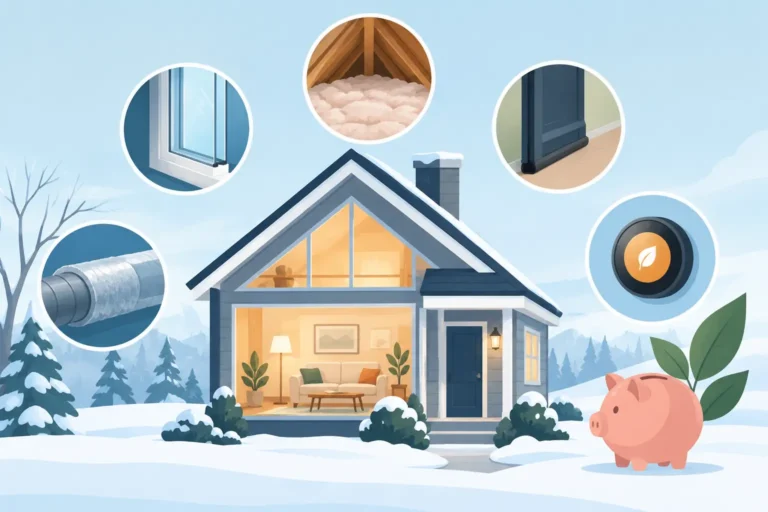
Loft insulation
Warm air naturally rises, which is why an uninsulated or lightly insulated loft can be a major source of heat loss. Loft insulation is usually placed across the loft floor, creating a thermal barrier between your living spaces and the colder roof area above.
This can be one of the most straightforward improvements for homes with an accessible loft. However, it is not simply a case of adding more material. Pipework, electrical equipment, loft hatches and ventilation all need to be considered so that the installation is safe and the roof space remains properly ventilated.
Cavity wall insulation
Many homes built from the 1920s onwards have cavity walls. These are made up of two layers of brickwork with a gap between them. If that gap is suitable, it may be filled with insulation to reduce heat escaping through the walls.
Cavity wall insulation can be highly effective, but it is not right for every property. The wall condition, exposure to wind-driven rain, local weather and existing damp issues all need careful assessment. A professional survey helps prevent unsuitable work and ensures the measure is selected for the right reasons.
Internal wall insulation
Some older properties have solid external walls rather than cavities. Internal wall insulation is fitted to the inside face of external walls, often using insulated boards or a new insulated lining system.
It can make a substantial difference in solid-wall homes, but it may slightly reduce room dimensions and requires careful detailing around radiators, sockets, skirting boards and window reveals. The work needs to be planned properly to manage moisture and avoid creating cold bridges around gaps in the insulation.
Solid wall and external insulation solutions
Where suitable, insulation can also be applied as part of a wider solid-wall improvement. The best option depends on the home’s construction, appearance, planning considerations and the practical needs of the household.
For example, external work may affect the look of a property or need additional permissions in certain areas. Internal work can be less visible from outside but may cause more disruption indoors during installation. A good assessment explains these trade-offs clearly rather than treating one solution as right for every home.
Insulation and damp: what homeowners should know
Insulation does not cause damp when it is designed and installed correctly. In fact, warmer internal surfaces can help reduce condensation that forms when moist air meets cold walls. The concern is that existing leaks, poor ventilation or unsuitable materials can trap moisture if they are not addressed first.
That is why a proper survey matters. Before work begins, the installer should consider the property’s condition, ventilation, rain exposure and any signs of penetrating damp, mould or damaged brickwork. Insulation works best as part of a whole-home approach, not as a quick fix placed over an unresolved issue.
Simple habits also help protect your home after improvements. Use extractor fans when cooking or showering, avoid blocking air vents, dry clothes with adequate ventilation where possible, and report any new signs of damp promptly. A warmer home should still be able to breathe.
Could insulation be fully funded?
Eligible homeowners and private tenants may be able to access funded insulation and heating upgrades through energy-efficiency support schemes. These programmes are designed to help households living in homes that are costly to heat, especially where income, benefits, Warm Home Discount status or local authority criteria may apply.
Funding and eligibility are never automatic. They can depend on your household circumstances, property type, current energy rating and the measures identified during an assessment. Some improvements may be fully funded, while the available support can vary by area and programme rules.
ECO4 was scheduled to run until March 2026, so households should always check what funding route is currently available before making plans. The reassuring part is that you do not need to work through the technical criteria and paperwork alone. Vellurex can start with a free eligibility check, arrange a property assessment and handle the funding paperwork where a suitable route is available.
What happens during a home assessment?
A property assessment is about more than measuring a loft or looking at a boiler. It considers how the home is heated, where heat is being lost, the age and construction of the property, and which upgrades can work well together.
For instance, improving insulation before installing a new heating system can be especially valuable. Once a home holds heat more effectively, a replacement boiler, central-heating upgrade or air source heat pump may not need to work as hard to keep rooms warm. This can support better performance and improve comfort throughout the property.
The assessor may look at existing loft insulation, external wall construction, ventilation, room temperatures, heating controls and the condition of the current system. You should also be able to explain which rooms feel cold, whether you see condensation, and how your energy bills have changed. These details can help build a clearer picture of your home.
Preparing for an insulation installation
Once a measure has been approved, there may be a little preparation needed. For loft work, you may need to clear stored items or make access easier. For internal wall insulation, furniture may need moving away from external walls and some rooms may be unavailable while work takes place.
A professional installer should explain the expected disruption, timescales and any changes needed around fixtures or fittings before the work starts. Ask questions if anything is unclear, particularly if you have concerns about ventilation, damp, pets, mobility needs or access to rooms.
It is also worth thinking beyond a single cold season. Good insulation is a long-term improvement to the fabric of your home. It can make the property more comfortable year after year while supporting future heating upgrades and reducing reliance on expensive energy use.
If your home feels difficult to heat and your bills are putting pressure on the household budget, a free eligibility check is a practical first step. The right home insulation measure can turn a colder, costlier property into a warmer place to live, without leaving you to manage the funding process on your own.