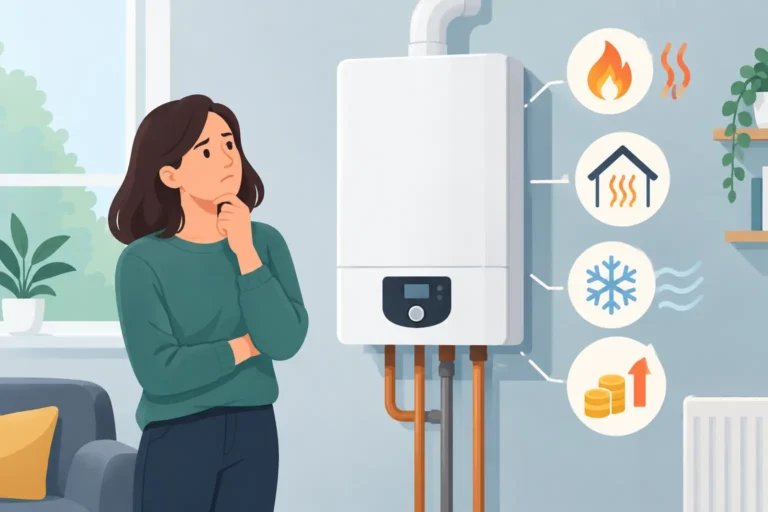
Heating Grants: A Route to a Warmer Home
A home should not leave you choosing between putting the heating on and keeping up with other household costs. For eligible households, heating grants can provide a practical way to replace inefficient systems, improve warmth and reduce wasted energy without the upfront cost of major home improvements.
For many people, the hard part is not knowing that help may exist. It is understanding whether their home qualifies, which upgrade would make the biggest difference and how to deal with the paperwork. Government-backed ECO4 funding is designed to help with exactly these challenges, particularly in homes that are expensive to heat.
What are heating grants?
Heating grants are funding routes that can help qualifying UK households improve an inefficient heating system and, where suitable, the insulation around it. They are commonly delivered through the Energy Company Obligation scheme, known as ECO4.
ECO4 focuses on helping lower-income and vulnerable households living in homes with poor energy efficiency. Depending on eligibility, the property and the work recommended after an assessment, funding may cover the full cost of an approved measure. This could mean a new heating system, a replacement for an old non-condensing boiler, insulation improvements or a combination of measures that work together.
The aim is straightforward: make homes easier and less expensive to heat, while reducing energy use and carbon emissions. It is not a cash payment to spend as you choose. Funding is attached to eligible energy-efficiency work that has been assessed as suitable for your property.
Which upgrades could be funded?
Every home is different. An older terrace with no central heating has different needs from a detached house losing heat through uninsulated walls. That is why a proper home assessment matters before any work is agreed.
Heating grant support may include first time central heating for homes that rely on electric storage heaters, electric fires or another inadequate source of warmth. A new central heating system can make a major difference to daily comfort, especially where rooms heat unevenly or take a long time to warm up.
Households with an outdated, inefficient non-condensing boiler may be considered for a replacement. Modern heating controls and a more efficient boiler can help a system use less fuel to deliver the heat your household needs. Where a heat pump is suitable, air source heat pump funding may also be available as part of the wider package of improvements.
Insulation is often just as important as the heating appliance itself. There is little benefit in fitting a better system if heat is escaping quickly through a loft, cavity walls, solid walls or poorly insulated internal walls. In some properties, insulation work should happen first or alongside heating improvements so the new system can operate efficiently and provide lasting comfort.
Who may qualify for ECO4 heating support?
Eligibility for heating grants depends on several factors. Your household circumstances, the type and condition of your home, your current heating and your local area can all affect what support is available.
ECO4 is often available to households receiving qualifying benefits. Support may also be possible for people in the Warm Home Discount core group or through a local authority eligibility route, sometimes called ECO4 Flex. This can help households that may not receive a qualifying benefit but are on a lower income, have high energy costs or are vulnerable to the effects of living in a cold home.
Homeowners and private tenants can both be eligible. If you rent privately, your landlord will generally need to give permission before improvements can be installed. The property must also meet the scheme requirements, and available funding can vary by measure and location.
There is no value in guessing based on a neighbour’s experience or an advert promising a particular upgrade. A free eligibility check is the sensible first step. It gives you a clearer answer based on your own circumstances and avoids unnecessary work on an application that may not be suitable.
Signs your home could benefit
You may want to check your eligibility if your boiler is old or unreliable, your home has no central heating, or you regularly find yourself heating only one room to manage costs. Persistent draughts, cold walls, condensation and rooms that cool down quickly can also point to a home that is losing too much heat.
High bills do not automatically mean that funding will be approved, but they are a useful signal that your heating and insulation need attention. An assessment can identify the source of the problem rather than treating only the symptom.
How the process works
Applying for help should not mean learning energy policy or chasing multiple organisations. A well-managed service breaks the journey into three clear stages.
First comes the eligibility check. You provide basic information about your household, benefits or local authority circumstances, tenure and current heating. This helps establish whether ECO4 or another relevant route may be appropriate.
Next is the free property assessment. An assessor looks at the home’s existing heating, insulation, construction and energy performance. This is where it becomes clear whether a boiler replacement, first time central heating, insulation, heat pump or another measure would provide the right improvement.
The final stage is funding approval and installation planning. The required ECO4 paperwork is submitted, the proposed work is checked against scheme rules and an installation is arranged if approval is confirmed. At Vellurex, we handle your ECO4 paperwork and coordinate the process, making it simple and stress-free from the first check through to installation.
Timescales can vary. Funding approval, survey findings, installer availability and whether landlord consent is needed can all affect when work starts. Being ready with accurate details and responding promptly to requests for documents can help keep things moving.
What to prepare for an eligibility check
You do not need to have every document in front of you before asking for help, but a few details can make the initial check smoother. It is useful to know your postcode, whether you own or rent your home, the kind of heating you currently use and the approximate age of your boiler if you have one.
If you receive benefits, have information available about the relevant award. If you are applying through a local authority route, household income and energy-cost information may be considered. Private tenants should also be prepared to speak with their landlord if the property appears suitable for funded work.
Be honest about your home’s condition. Mention cold rooms, broken heating, damp concerns and previous improvements. These details help ensure the assessment focuses on measures that could genuinely improve the way you live in the property.
Why insulation and heating should be considered together
It is tempting to focus only on the boiler or heat source when bills are high. Yet a heating system is only one part of how a home performs. If the building fabric is poor, warmth can disappear through the roof, walls and gaps before it has a chance to make the living space comfortable.
Insulation can reduce heat loss, while improved controls help you heat rooms at the times you need them. A suitable new boiler or heat pump then has a better chance of working efficiently. The right order of work depends on the property, which is why one-size-fits-all promises should be treated carefully.
A warmer home can also bring benefits beyond lower bills. More consistent temperatures may help reduce condensation and damp risk, make bedrooms more comfortable in winter and remove some of the worry that comes with an unreliable system. Lower energy use also means a smaller carbon footprint, helping households make a practical environmental difference without taking on a large upfront expense.
A practical next step for a colder home
Funding is subject to eligibility, assessment and scheme availability, so no provider can responsibly guarantee an upgrade before checking the facts. But if your home is difficult or costly to heat, it is worth finding out what support may be available rather than assuming improvements are out of reach.
A free eligibility check could be the first move towards a home that stays warmer for longer, costs less to run and feels more comfortable when the weather turns cold.