How the ECO4 Application Process Works for You
A cold home should not mean choosing between heating and other essentials. The ECO4 application process was designed to help qualifying households access energy-saving home improvements without the large upfront cost. From replacing an inefficient boiler to adding insulation or installing first-time central heating, the aim is simple: make your home warmer, cheaper to run and better for the environment.
ECO4 was a government-backed energy-efficiency scheme scheduled to run until 31 March 2026. If you are looking for support now, availability depends on current funding routes, supplier allocations and local criteria. A free eligibility check is the sensible first step, as it establishes whether an ECO4-funded measure or a successor funding option may be available for your household.
What the ECO4 scheme could fund
ECO4 focused on homes that are expensive to heat, particularly properties with poor insulation, old heating systems or no central heating. It supported a whole-house approach where possible. That means the most suitable improvement was not always the one a household first asked for.
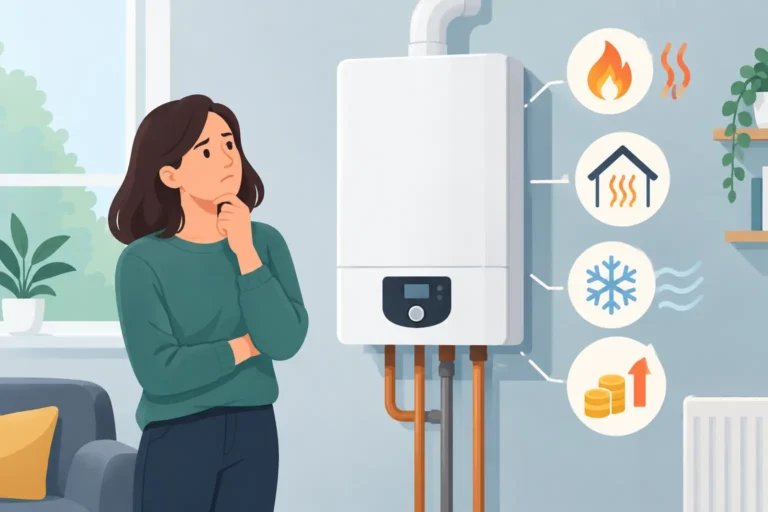
For example, fitting a new heating system in a badly insulated property may not deliver the savings expected. In some cases, loft, cavity wall, internal wall or solid wall insulation needed to be considered first. Other households could be suitable for a replacement non-condensing boiler, a boiler upgrade, central heating improvements, first-time central heating or an air source heat pump.
The measure offered depends on the property, its current energy performance, technical suitability and funding rules. Fully funded support may be available to eligible households, but it should never be assumed before the checks and assessment have been completed.
The ECO4 application process in three steps
Applying should not require you to become an expert in grants, energy ratings or heating systems. A good provider takes the administrative weight off your shoulders and explains each stage in plain English.
1. Start with a free eligibility check
The first stage looks at both your household circumstances and your property. ECO4 support was generally aimed at low-income and vulnerable households, including people receiving qualifying benefits, some Warm Home Discount core-group customers and households eligible through a local authority route.
You may be asked for your postcode, whether you own your home or rent privately, details of the heating currently installed and information about benefits or income-based eligibility. Private tenants can be considered, although landlord permission will usually be required before work can go ahead.
This conversation is also your chance to describe the problem properly. Perhaps your boiler is old and unreliable, several rooms never feel warm, you rely on electric heaters, or there is no existing central heating. Clear information helps identify which route and measures may be realistic.
2. Arrange a free home assessment
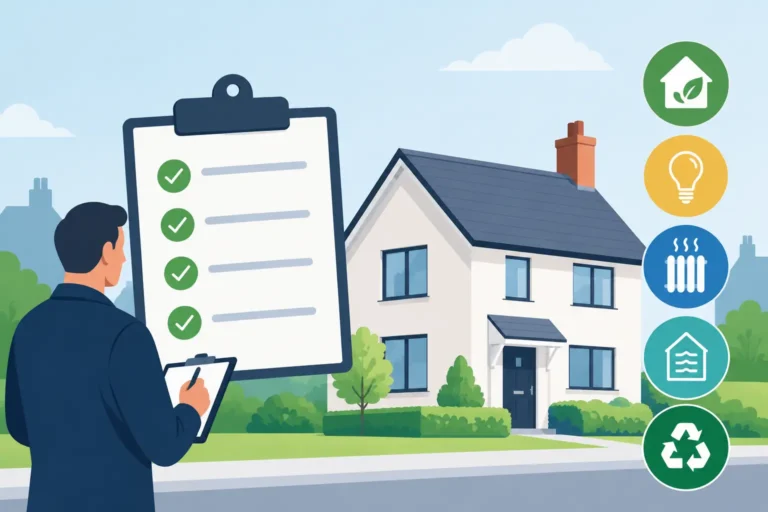
If the initial check suggests you may qualify, the next step is a property assessment. This is not simply a sales visit. It helps establish what work can be funded and whether it will work safely and effectively in your home.
An assessor may review the age and type of your heating system, insulation levels, walls, loft space, windows and ventilation. They may also consider the property’s Energy Performance Certificate, known as an EPC, where one is available. The assessment can reveal issues that are not obvious day to day, such as empty cavity walls, insufficient loft insulation or a heating system that is losing efficiency.
This stage protects you as well as the funding programme. It avoids approving a measure that does not suit the building. For instance, a heat pump can be an excellent low-carbon option, but the property needs to be suitable and may need fabric improvements first. Equally, a replacement boiler may be the more appropriate solution for some homes.
3. Paperwork, approval and installation
Once the survey identifies suitable measures, the application moves into the evidence and approval stage. This is where many households worry about forms, proof and delays. With end-to-end support, the provider can explain what is needed and handle the ECO4 paperwork on your behalf.
The exact evidence varies, but it can include proof of address, benefit evidence or confirmation of local authority eligibility, property details and landlord consent for private rented homes. Supplying accurate information promptly helps prevent unnecessary hold-ups. You should also be told clearly what work has been proposed, whether funding covers it in full and what will happen before, during and after installation.
After funding approval, installation dates can be arranged. Timescales vary because they depend on assessment findings, document checks, the type of measure, installer availability and any additional work required. A boiler replacement may be more straightforward than a wider insulation project, while first-time central heating can involve more planning. The important point is that approval comes before work begins.
Who may be eligible?
There is no single answer that applies to every household. Eligibility usually combines your circumstances with your home’s condition. Homeowners and private renters living in older or inefficient properties may be considered if they receive a qualifying benefit, are part of the Warm Home Discount core group, or meet a local authority’s flexible eligibility criteria.
Your home also needs to be suitable for an improvement that meets scheme rules. A household can be eligible in principle but not receive the specific upgrade it requested because the survey recommends something else. That is not a rejection of the household’s need. It is often a sign that the work is being matched to the property rather than treated as a one-size-fits-all job.
If you rent privately, speak with your landlord early. Their written permission may be needed, particularly for permanent changes such as insulation, a new heating system or an air source heat pump. A funded upgrade can improve the comfort and energy performance of the property, but the landlord must agree to the work.
What to prepare before you apply
You do not need to gather a large file before making an enquiry. However, having a few details to hand can make your eligibility check quicker. Keep your postcode, contact details, a brief description of your current heating and any relevant benefit or Warm Home Discount information nearby.
If you know your boiler is non-condensing, regularly breaks down or is more than a decade old, mention this. If your home has cold walls, draughty rooms, mould linked to condensation or an uninsulated loft, mention that too. These details help build a fuller picture of how your home performs.
Be cautious of anyone who promises a particular upgrade before asking about your home, eligibility or funding route. Legitimate support involves checks. You should not be pressured to sign documents you do not understand, and you should ask whether there is any contribution to pay before agreeing to proceed.
Why a managed application makes a difference
The value of grant support is not only the cost of the installation. It is also the help needed to get from an expensive, uncomfortable home to an approved improvement without feeling lost in the process.
Vellurex helps households through the practical stages: checking eligibility, arranging a free property assessment, handling the relevant paperwork and coordinating installation once funding is approved. That support matters when you are already dealing with high bills, an unreliable boiler or rooms that never properly warm up.
An energy-efficiency upgrade is not an overnight answer to every energy-cost concern. Savings depend on the home, energy use, tariff and the improvement installed. But better insulation and more efficient heating can reduce wasted heat, improve comfort and lower the pressure on household budgets over time.
If your home is hard to heat, do not rule yourself out because the process sounds complicated or because you are unsure which improvement you need. Start with a free check, be open about the condition of your home, and let the assessment identify the most useful next step.




One Comment