The Future of Home Heating for UK Homes
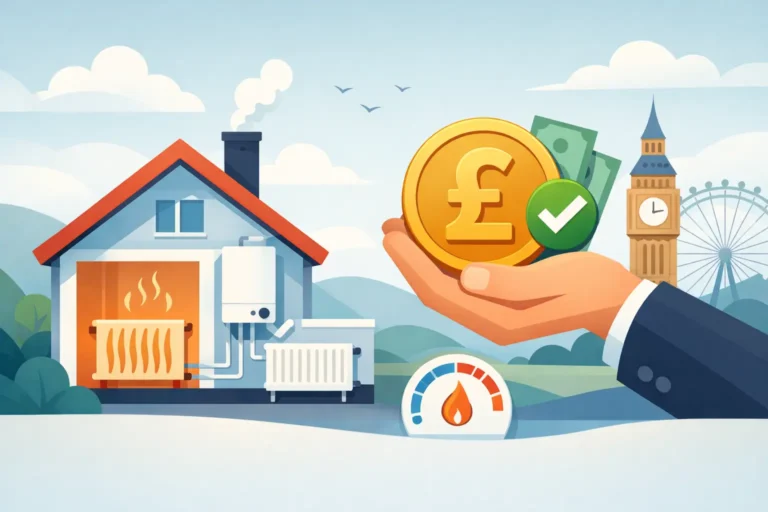
A cold bedroom that never quite warms up, a boiler that struggles through winter and heating bills that take too much from the monthly budget are not minor inconveniences. For many UK households, they are signs that the home needs more than another thermostat adjustment. The future of home heating is about making properties warmer, cheaper to run and less dependent on high-carbon fuels – without asking households to find thousands of pounds upfront.
For older homes in particular, the best answer is rarely a single piece of equipment. A new heating system can help, but it performs far better when the property holds on to the heat it produces. That is why funded energy-efficiency improvements can combine heating measures with insulation, based on what the home and household actually need.
Why home heating is changing
UK homes are being asked to do two things at once: keep families comfortable through colder months and reduce the energy used to achieve that comfort. Traditional gas boilers will continue to heat many homes for years, but inefficient systems and poorly insulated properties are becoming increasingly expensive to live with.
The direction of travel is clear. Homes will use less energy through better insulation and heating controls, while more households move towards lower-carbon options such as air source heat pumps where they are suitable. This does not mean every property needs the same upgrade tomorrow. A solid-wall terrace, a rural home off the gas grid and a well-insulated newer build have very different starting points.
What matters is a practical plan. For some households, replacing an old non-condensing boiler is the most immediate way to improve reliability and reduce wasted energy. For others, first time central heating can transform a home that relies on costly electric heaters or an outdated heating arrangement. Where a property is suitable, an air source heat pump may offer a longer-term, lower-carbon solution.
The future of home heating starts with keeping heat in
Heating a draughty, poorly insulated house is like trying to fill a bath with the plug out. The system keeps working, but much of the warmth escapes before it can make the home comfortable. This is why insulation remains central to the future of home heating.
Loft insulation can reduce heat loss through the roof, while cavity wall, internal wall and solid wall insulation can help retain warmth through the fabric of the building. The right measure depends on the construction and condition of the property. Not every wall is suitable for every insulation type, and a proper assessment should identify what will work safely and effectively.
This approach has a direct benefit for heating costs. When rooms retain warmth for longer, the heating system does not need to run as hard to maintain a comfortable temperature. It can also make lower-temperature heating systems, including heat pumps, a more realistic option.
Insulation is not always the most visible improvement, but it is often one of the most valuable. It supports whatever heating system the home has now and whatever it may use in the future.
Heating options likely to shape UK homes
There is no single winner for every household. The right route depends on the existing system, the home’s heat loss, available space and the household’s circumstances.
More efficient boilers and central heating
For homes connected to the gas network, a modern efficient boiler may remain the practical choice, especially where an old non-condensing boiler is no longer performing well. A replacement can improve reliability and use less fuel than an outdated model, particularly when paired with suitable controls and radiators.
Some households do not have central heating at all. First time central heating can provide a more consistent and controllable way to heat the home, replacing expensive and uneven alternatives. It can be a major improvement for comfort, particularly in properties where only one or two rooms can be heated properly.
A boiler upgrade is not a complete answer if the house loses heat quickly. However, combined with insulation and sensible controls, it can make a meaningful difference to bills and day-to-day comfort.
Air source heat pumps
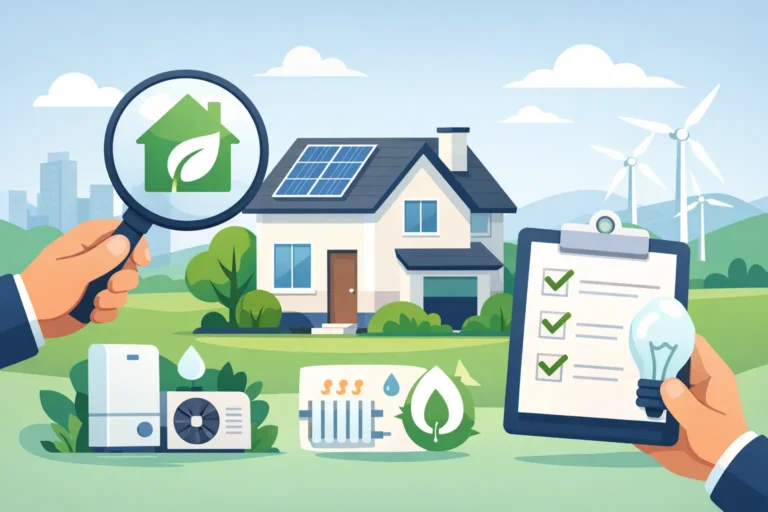
Air source heat pumps use electricity to move heat from the outside air into the home. They do not create heat in the same way as a gas boiler, which is why they can be an efficient lower-carbon option when a property is suitable.
They work best in homes with a lower heat demand, good insulation and a correctly designed heating system. Some homes may need radiator upgrades or other improvements to get the best results. They also need outdoor space for the unit, so they are not right for every property.
The key is not to assume that a heat pump is automatically the best choice, or that it is too complicated to consider. A home assessment can establish whether it is suitable and what supporting work may be needed.
Better controls and a better-designed system
The future is not only about what generates heat. It is also about using it wisely. Programmable controls, thermostats and heating zones can help households avoid heating empty rooms or running the system longer than necessary.
Controls cannot overcome serious insulation problems, but they can help a well-designed system deliver comfort with less waste. Small changes in how heating is managed can be useful, especially alongside larger funded improvements.
What ECO4 funding can mean for eligible households
Major home upgrades can feel out of reach when money is already tight. Government-backed ECO4 funding is designed to help eligible households improve the energy efficiency of homes that are costly to heat.
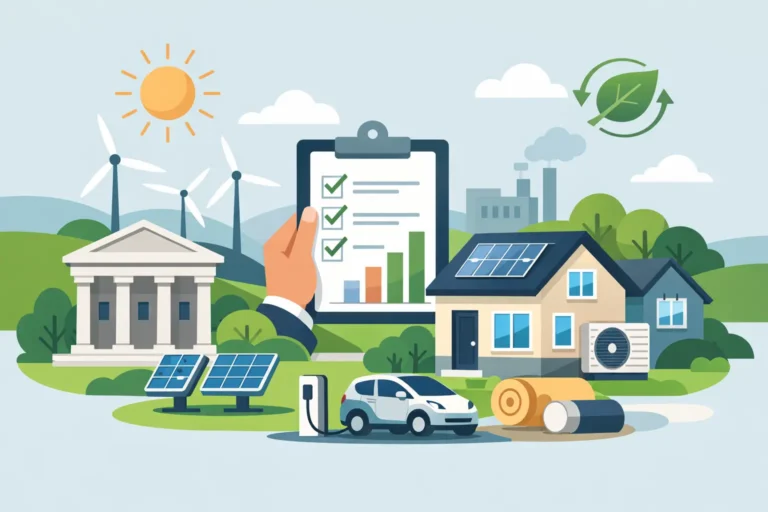
Depending on eligibility, property type and assessment findings, fully funded measures may include insulation improvements, first time central heating, replacement of an old non-condensing boiler, boiler upgrades or air source heat pump support. The measures available are not selected from a one-size-fits-all list. They should be based on the property’s needs and the requirements of the scheme.
Eligibility can apply to households receiving qualifying benefits, Warm Home Discount core-group customers and, in some cases, people who meet local authority eligibility criteria. Homeowners and private tenants may be able to apply, although tenant applications usually require landlord involvement or permission for works.
Funding approval is not guaranteed simply because a household has high bills or an old boiler. That is why it is worth starting with a free eligibility check rather than trying to work through the rules alone.
A straightforward route to a warmer home
The paperwork around grants, property evidence and funding requirements can sound daunting. It does not need to become another burden for the household. At Vellurex, the process is designed around three clear stages: an eligibility check, a free home assessment and funding approval before installation is coordinated.
The eligibility check helps establish whether ECO4 support may be available. The home assessment then looks beyond the obvious fault, such as a broken or inefficient boiler, to identify where the property is losing energy and which measures may make the biggest difference. If the work is approved, the ECO4 paperwork is handled with support throughout the process.
This matters because the most useful improvement is one that fits both the building and the people living in it. A family may need reliable heating in every room. An older person may need a consistently warm home without worrying about unaffordable bills. A private tenant may need clear guidance on what is possible and how their landlord can be involved.
Preparing your home for what comes next
You do not need to know whether your walls are cavity walls, whether a heat pump will suit your home or which ECO4 category applies to you before asking for help. Those are questions an assessment is there to answer.
What you can do is notice the warning signs: rooms that are cold even with the heating on, rising bills without greater comfort, condensation or draughts, an unreliable boiler, or a home that has never had a proper central heating system. These are useful starting points for a conversation about funded improvements.
The future of home heating should not be reserved for households able to pay for every upgrade themselves. A free eligibility check can be the first practical step towards a warmer home, lower energy costs and a property that is better prepared for the years ahead.