ECO4 Installer Reviews – What to Check First
A cold home, rising bills and an old boiler can make an ECO4-funded upgrade feel urgent. But ECO4 installer reviews should still be read carefully before you share your details or agree to a survey. A good review can show how an installer treats real households, while the right checks help you separate genuine service from vague promises.
Funding can remove the upfront cost of eligible improvements, but it should not remove your right to ask questions. You deserve clear information about what is being proposed for your home, who will carry out the work and what happens if something needs putting right afterwards.
Why ECO4 installer reviews matter
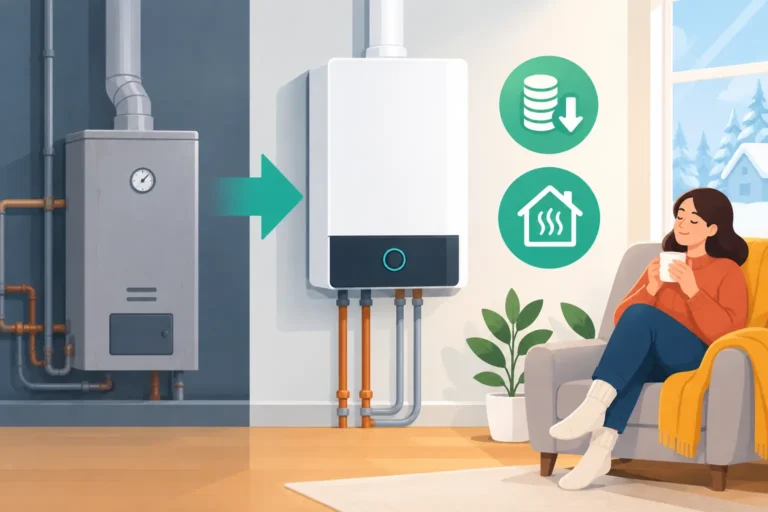
ECO4 was designed to improve the energy performance of homes that are expensive to heat, particularly for eligible low-income households. Measures could include insulation, a replacement heating system, first time central heating or an air source heat pump, depending on the property and funding rules.
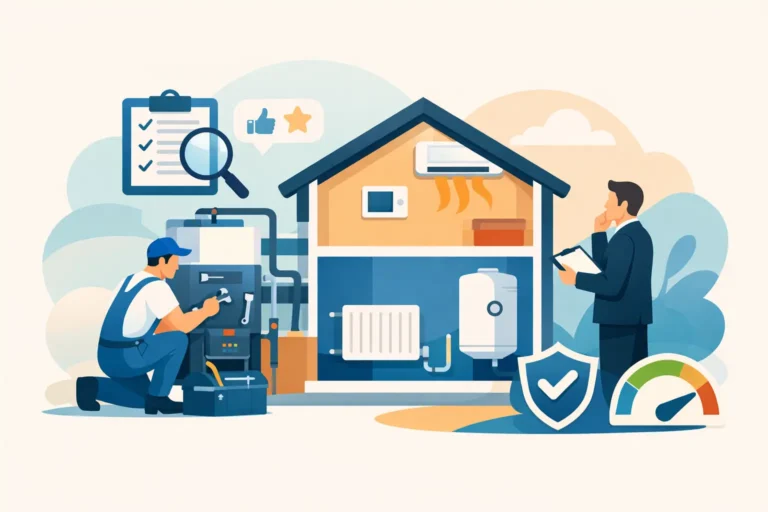
The work itself can have a lasting effect on your comfort, bills and home. That is why reviews are useful for more than simply checking whether a company received five stars. Look for evidence that the provider explained the process, completed a proper survey and dealt with any concerns fairly.
A review saying, “The team was friendly”, is encouraging, but it tells you only part of the story. More useful reviews mention the type of home, the work completed, whether appointments were kept, how the property was treated and whether the customer understood the funding and paperwork.
No installer will have a perfect record. What matters is the pattern. A handful of poor reviews among a large number of detailed, recent positive ones may be less concerning than repeated complaints about missed visits, pressure to sign, poor communication or unresolved faults.
How to read ECO4 installer reviews properly
Start by checking when reviews were posted. Funding rules, subcontractor arrangements and staff can change over time, so feedback from several years ago may not reflect the current service. Recent comments are usually more relevant, especially if they describe the same type of upgrade you may need.
Next, look for detail rather than star ratings alone. Genuine household experiences tend to include practical points: whether the surveyor listened, whether the scope of work was explained, how long installation took and whether the home was left clean and safe. A short run of almost identical reviews, posted close together, should be treated with care.
It also helps to read the lower-rated reviews first. This is not about expecting the worst. It is about seeing how the business responds when plans change or a customer is unhappy. A professional response should be calm, specific and focused on resolving the issue. It should not reveal personal information or dismiss concerns without explanation.
Keep in mind that reviews cannot confirm whether you personally qualify. Eligibility can depend on household circumstances, property details, energy performance information and the funding route available in your area. A free eligibility check is the sensible first step, not a promise based on a review alone.
Signs of a service you can feel comfortable with
Positive feedback often reflects a process that is clear from the beginning. Customers should know why a measure has been recommended and what work will happen in their home. They should not be rushed into accepting an upgrade they do not understand.
When reading reviews and speaking to a provider, look for four practical signs:
- A clear, no-pressure explanation of eligibility, the proposed measure and any conditions attached to funding.
- A proper home assessment before work is approved, rather than a guarantee made over the phone.
- Straightforward communication about appointment dates, installation timescales and who will attend your property.
- Help with ECO4 paperwork, along with clear information on warranties, certificates and aftercare.
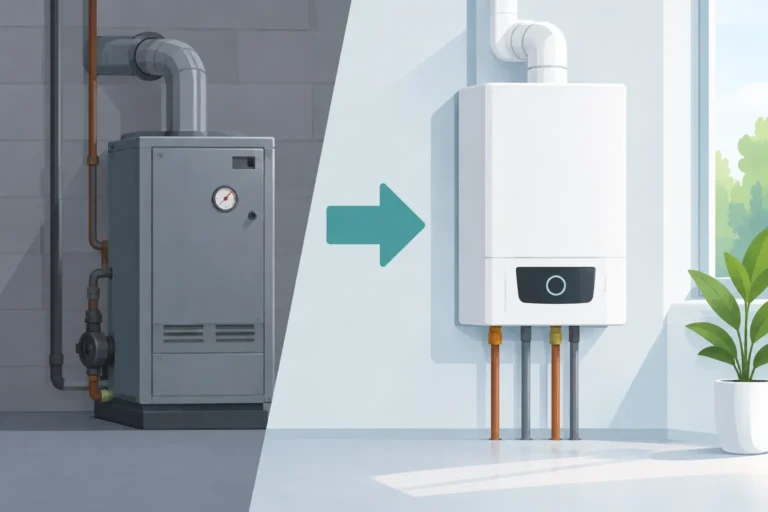
These basics matter whether the work is a loft insulation upgrade or a full central heating installation. The right measure depends on the home. For example, fitting a new heating system may not deliver the expected benefit if a property is losing too much heat through uninsulated walls or a loft. A careful assessment should consider the home as a whole.
Questions to ask before booking a survey
Reviews are a starting point, not the final decision. Once you have found a provider you are considering, ask direct questions in plain English. A trustworthy team should be happy to answer them.
Ask whether the company is arranging the funding, carrying out the installation, or doing both. Some services coordinate the customer journey and work with approved installers, while others employ their own installation teams. Neither model is automatically better, but you should know who is responsible at each stage.
Ask what happens during the assessment. A surveyor should inspect the property and discuss your existing heating, insulation and ventilation. They may need to take measurements, check the loft or look at the boiler. This is normal. Be cautious if someone promises a specific measure before seeing the property, as technical suitability and funding approval must be confirmed first.
You can also ask who to contact if you have a question after installation, what documentation you will receive and whether there will be any disruption you need to prepare for. For insulation work, that might include moving belongings away from a loft hatch or clearing access to external walls. For heating work, it may mean planning around a short period without heating or hot water.
A good provider will be honest about trade-offs. An air source heat pump, for instance, can be an effective low-carbon option in a suitable home, but installation requirements and running costs should be explained clearly. Likewise, insulation can improve warmth and reduce heat loss, yet work may take longer in properties with difficult access or particular construction types.
Watch out for pressure and unclear claims
Government-backed funding should never be used as a reason to rush you. Be wary of cold callers who say funding will disappear immediately unless you agree during the call, or who claim every household receives a free boiler without checking eligibility and property suitability.
Do not share bank details simply to arrange an assessment. You should also be careful with anyone who will not give a company name, a clear contact route or a written explanation of the proposed work. If a caller says they are “from the government”, ask exactly which organisation they represent. Installers and grant-access services are not the government itself.
It is reasonable to take time to discuss the work with a family member, landlord or trusted friend. Private tenants may need landlord permission for certain improvements. Homeowners should also ask how the proposed work will affect their property and what maintenance may be needed in future.
Reviews are only one part of a confident choice
The strongest ECO4 installer reviews are backed up by a well-managed process. You should receive an eligibility check, a suitable property assessment and clear next steps while funding approval is being considered. Nothing should be hidden behind technical language or unexpected charges.
At Vellurex, the aim is to make this process simple and stress-free: check whether you may qualify, assess what your home needs, then manage the ECO4 paperwork and installation coordination where funding is available. The outcome is not just an upgrade on paper. It is a warmer home, lower energy use and fewer worries when the colder months arrive.
If you are comparing providers, take your time with the reviews, ask the questions that matter and only move forward when the proposed work makes sense for your household. The best next step is a clear, free conversation about your home – not a decision made under pressure.