How to Replace a Non-Condensing Boiler Safely
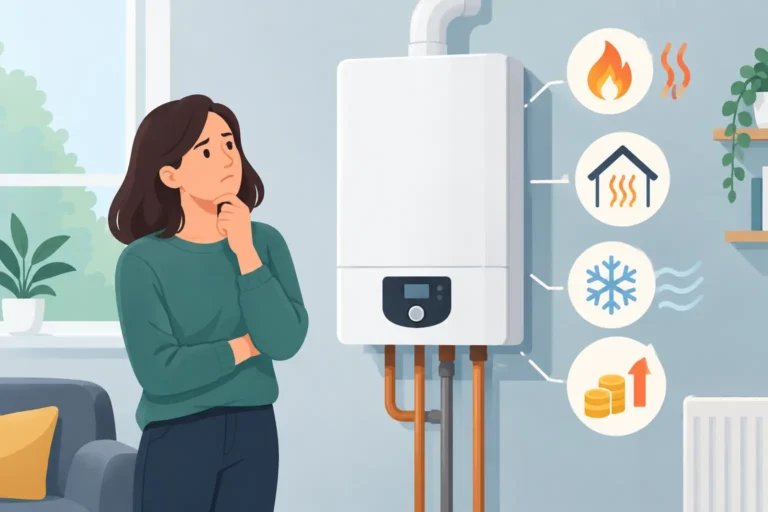
An old boiler can make every cold morning more expensive than it needs to be. If you are working out how to replace a non-condensing boiler, the first decision is not which model to buy – it is whether your home is suitable for a modern boiler, a heat pump or a wider heating and insulation upgrade.
For many UK households, replacing an inefficient boiler can improve comfort, reduce wasted fuel and make heating bills easier to manage. You should never try to remove or fit a gas boiler yourself. A qualified Gas Safe registered engineer must carry out gas work, but knowing the process helps you make a confident, informed choice.
Why replace a non-condensing boiler?
Non-condensing boilers are usually older appliances. They lose more heat through their flue than a modern condensing boiler because they do not recover heat from exhaust gases in the same way. That means more of the gas you pay for can be wasted before it has warmed your radiators or hot water.
A new condensing boiler is designed to capture some of this otherwise lost heat. In the right property, that can reduce energy use while giving you more reliable heating and hot water. The difference will depend on the condition of your current boiler, how well your home is insulated, your heating controls and how your household uses energy.
A replacement is especially worth investigating if your boiler is breaking down regularly, spare parts are difficult to find, rooms heat unevenly, or your bills remain high despite careful use. A boiler alone cannot solve poor insulation or draughts, but it can be an effective part of a properly planned home-energy upgrade.
How to replace a non-condensing boiler: start with an assessment
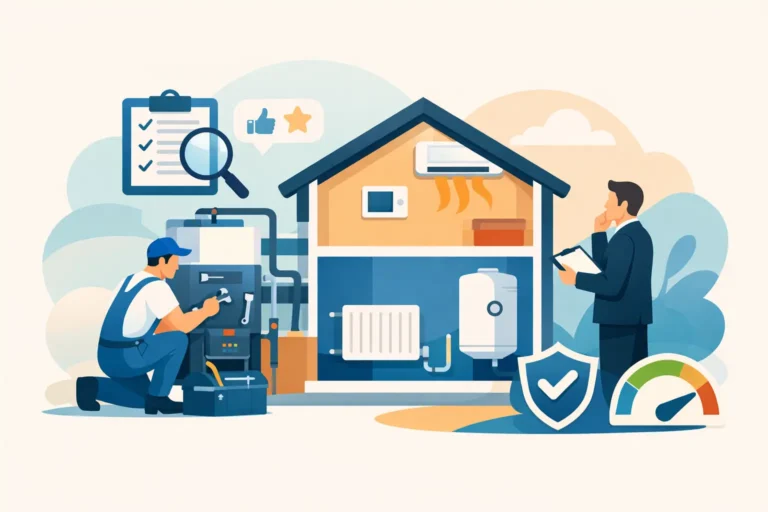
Before choosing a replacement, arrange a home assessment. An installer or energy-efficiency assessor should look at more than the boiler itself. They need to understand the size and layout of the property, the number of bathrooms, your existing pipework and radiators, hot-water demand, ventilation, flue position and insulation levels.
This stage matters because the cheapest-looking option is not always the best value. A boiler that is too large may cycle on and off unnecessarily, while one that is too small may struggle during colder weather. The right output should be calculated for your home rather than guessed from the size of the old appliance.
The assessment should also identify whether there are problems elsewhere in the system. Sludge in pipework, leaking radiators, poor controls or inadequate insulation can all limit the benefit of a new boiler. In some homes, radiator upgrades, thermostat controls or insulation measures should be completed alongside the heating replacement.
If you rent privately, speak to your landlord before arranging works. Boiler replacement and any associated changes to the property require the owner’s permission.
Choose the heating system that suits your home
A modern gas condensing boiler may be the practical replacement where a gas supply already serves the property and the existing central-heating system is in reasonable condition. There are three common types.
A combi boiler provides heating and hot water directly from the unit, without a separate hot-water cylinder. It can suit smaller homes and flats with one bathroom, particularly where space is limited. However, its hot-water flow can be less suitable for larger households using several taps or showers at once.
A system boiler works with a hot-water cylinder. It can be a better fit for homes with greater hot-water demand, although it needs space for the cylinder. A regular boiler is usually found in older systems with a separate feed and expansion tank. Replacing it does not always mean keeping the same arrangement – an engineer can explain whether a conversion would be worthwhile.
It is also sensible to ask whether an air source heat pump could be appropriate. Heat pumps do not burn gas and can offer lower-carbon heating, but they need a careful property assessment. They work best in homes with suitable insulation, correctly sized radiators and enough outdoor space. For some households, improving insulation first is the route to better comfort and lower running costs, whether the next heating system is a boiler or a heat pump.
What happens during boiler replacement?
Once you have accepted a quotation or secured funding approval, the installer will plan the work. A straightforward like-for-like boiler replacement can often be completed in a day, while a system conversion, new pipework, cylinder removal or radiator changes may take longer.
On installation day, the engineer will safely isolate the gas, water and electricity supplies as needed before removing the old boiler. They will install the new appliance, fit or adapt the flue, connect the condensate pipe and make any required changes to pipework or controls. A condensing boiler produces wastewater, known as condensate, which must drain away correctly. This is one reason an older non-condensing boiler cannot simply be swapped without planning.
The heating system should then be cleaned or protected where necessary, filled, tested and balanced. Balancing helps radiators heat up more evenly. The engineer will commission the boiler, check its safe operation and show you how to use the thermostat, timer and controls.
Make sure you receive the relevant paperwork. This commonly includes the boiler’s benchmark record, warranty details, user instructions and evidence that the installation has been notified in line with Building Regulations requirements. Keep these documents in a safe place, as they may be needed for warranty support, servicing or when selling your home.
Do not overlook controls and insulation
Replacing a non-condensing boiler without improving how heat is controlled can leave savings on the table. A programmable thermostat lets you set heating around your routine, while thermostatic radiator valves allow different rooms to be managed separately. You do not need to heat unused bedrooms to the same temperature as your living room.
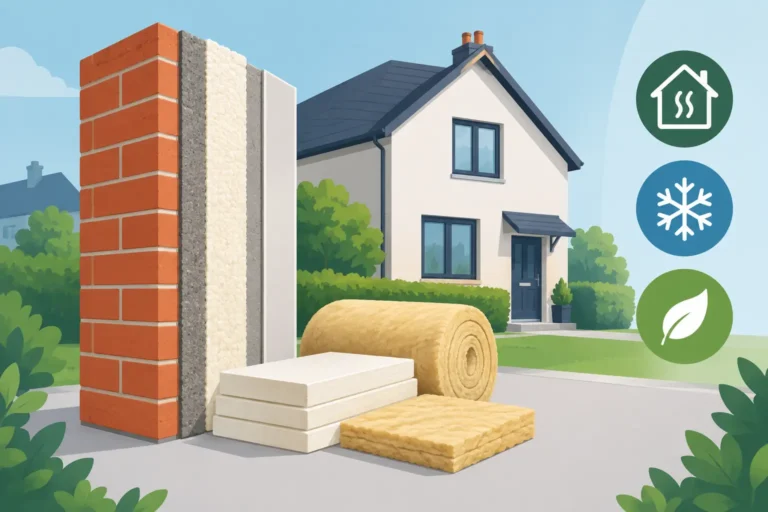
Insulation is just as important. Loft insulation, cavity wall insulation, internal wall insulation or draught-proofing can reduce the heat your property loses. When a home holds on to warmth for longer, the heating system does not have to work as hard. This can also help you choose a more appropriately sized replacement system.
There are trade-offs. Insulation work must be suitable for the property and installed correctly to manage moisture and ventilation. An assessment is the best way to identify measures that work together rather than treating one issue in isolation.
Check whether funding could reduce the cost
The upfront cost of replacing a boiler can be a real barrier, particularly for households already facing high energy bills. Depending on your circumstances, government-backed energy-efficiency support or local authority schemes may help eligible homeowners and private tenants access funded heating and insulation improvements.
Eligibility is assessed case by case. It can depend on household income or benefits, property energy performance, tenure, local criteria and the measures recommended for the home. Funding availability and rules can change, so it is best not to assume that an advertised scheme will automatically cover every replacement.
A free eligibility check can clarify your options before you commit to paying for work. Vellurex helps eligible households understand suitable upgrades, arrange a property assessment and manage the paperwork involved in a funding application. The aim is to make the process simple and stress-free, rather than leaving you to navigate technical requirements alone.
Questions to ask before work begins
Ask the installer what boiler size they recommend and why, whether existing radiators are sufficient, what controls are included and whether any pipework or flue changes are needed. You should also ask about warranty length, servicing requirements, expected disruption and whether the quote includes removal and responsible disposal of the old boiler.
If funding is involved, confirm exactly which measures have been approved and whether there is any contribution to pay. A trustworthy provider will explain the scope of work clearly and will not pressure you to sign before you understand it.
A failed non-condensing boiler can feel like an urgent problem, but a measured decision now can create a warmer home for years to come. Start with an eligibility check or a professional assessment, then choose the heating and insulation improvements that make the biggest difference to your household.