Do I Qualify for a Government Energy Grant?
If your home is hard to heat, your boiler is ageing or your energy bills feel out of control, you may be asking: do I qualify for government energy grant support? For many households, the answer could be yes. The government-backed ECO4 scheme is designed to help eligible people improve cold, inefficient homes without having to find thousands of pounds upfront.
The key is that grants are not awarded simply because a home needs work. Eligibility is usually based on a combination of your household circumstances, the property’s energy efficiency and the type of upgrade needed. A free eligibility check is the easiest way to get a clear answer before you make any decisions.
What is the ECO4 government energy grant?
ECO4 is the fourth phase of the Energy Company Obligation. It is a government-backed scheme that requires larger energy suppliers to support energy-efficiency improvements in qualifying homes. The aim is practical: reduce heat loss, improve heating and help households spend less to stay warm.
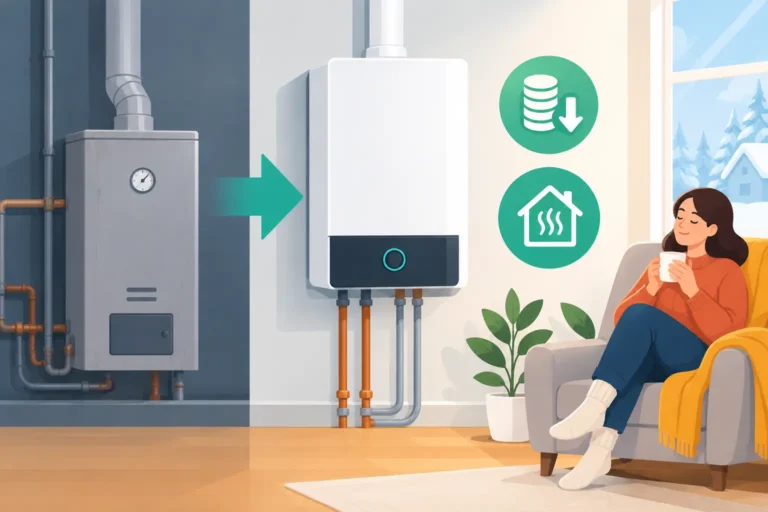
Funding can cover measures such as insulation, a first-time central heating system, replacement of an old non-condensing boiler, heating controls or, where suitable, an air source heat pump. The exact work offered depends on the condition of your home. For example, adding insulation may be the priority in a draughty property before a new heating system can deliver its full benefit.
For eligible households, improvements can be fully funded. That means there may be no upfront cost for the approved works. However, funding and available measures are always subject to a property assessment, scheme rules and installer approval.
Do I qualify for a government energy grant through ECO4?
You may qualify if you own your home or rent privately, your property is energy inefficient, and someone in the household meets the scheme’s income or benefit criteria. ECO4 is primarily intended for lower-income and vulnerable households living in homes that are expensive to heat.
Many applicants qualify because they receive an eligible benefit. This can include Universal Credit, Pension Credit, Income Support, income-based Jobseeker’s Allowance, income-related Employment and Support Allowance, Child Benefit in certain income bands, or other qualifying support. Households in the Warm Home Discount core group may also be eligible.
There is another route worth knowing about. If you do not receive a qualifying benefit, you may still be able to access support through your local authority’s flexible eligibility process, often called ECO4 Flex. Local authorities can refer households that are on a low income, have high energy costs or are vulnerable to living in a cold home. Criteria vary between councils, so this route needs checking on an individual basis.
Your home matters too. Older properties with poor insulation, inefficient heating or a low Energy Performance Certificate rating are often better suited to the scheme. A grant is intended to improve a home’s energy performance, rather than fund a like-for-like replacement in an already efficient property.
Which home improvements could be funded?
A property assessment identifies what will make the greatest difference to comfort, warmth and running costs. It is not a one-size-fits-all decision. A home with no central heating may need a complete first-time central heating installation, while another may benefit more from insulation and a boiler upgrade.
Common ECO4-supported measures include loft insulation, cavity wall insulation, internal wall insulation and solid wall insulation. These improvements help keep heat inside for longer, reducing the amount of energy needed to warm your rooms.
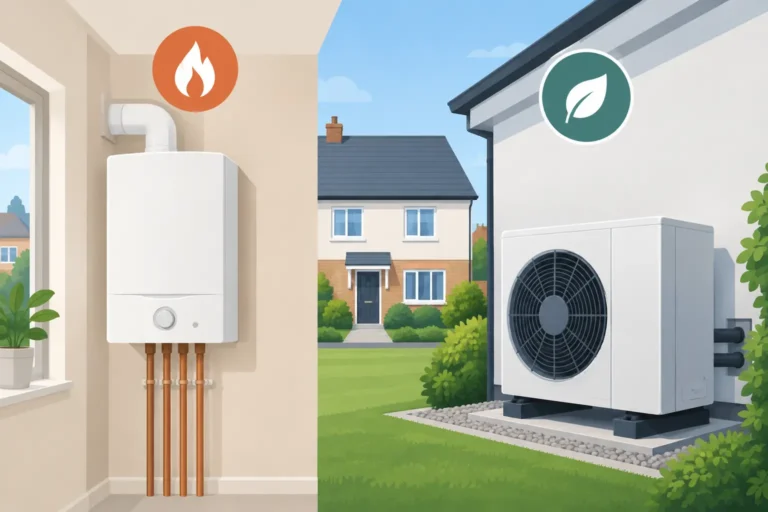
Heating support may include replacing an old, inefficient non-condensing boiler, improving central heating controls or installing first-time central heating where suitable. In some homes, an air source heat pump may be considered. Heat pumps can be a good long-term option, but they are not right for every property. The home’s insulation, available space and existing heating setup all need to be assessed first.
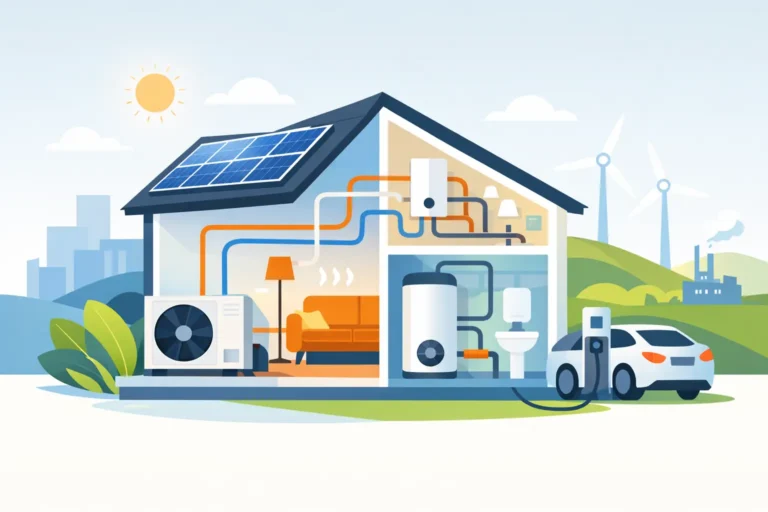
The most valuable outcome is often a package of improvements rather than one single measure. Insulation and effective heating work together: less heat escapes, so your heating system does not have to work as hard.
What can affect your eligibility?
It is understandable to look for a simple yes-or-no answer, but ECO4 eligibility has a few moving parts. Receiving a benefit can help, but it does not automatically guarantee funding. Equally, not receiving a benefit does not always mean you are excluded.
Your tenure is one factor. Homeowners and private tenants can apply, although private tenants may need their landlord’s permission before work begins. Social housing is generally subject to different rules and may have limited eligibility depending on the property’s energy rating.
The current condition of the property is also important. Assessors look at its construction, heating system, insulation and energy performance. If a measure is unsuitable, it should not be installed simply because funding is available. For instance, cavity wall insulation requires a suitable wall type and condition, while damp or structural issues may need resolving before energy-efficiency work can go ahead.
Funding rules and local authority criteria can change. That is why a proper eligibility check and survey are more useful than relying on a general online checklist.
What happens after you check eligibility?
The process should feel straightforward, not like another form-filling exercise. At Vellurex, it is organised into three clear stages, with support throughout.
1. Check your household and property details
You provide basic information about who lives in the property, the benefits or support received, your tenure and the heating problems you are experiencing. This gives an early indication of whether ECO4 or a local-authority route may apply.
2. Arrange a free home assessment
If you appear eligible, a qualified assessor reviews the home. They will look at areas such as insulation, boiler age, heating controls and the overall energy efficiency of the property. This visit helps identify which improvements are appropriate and whether they meet funding requirements.
3. Funding approval and installation coordination
Once the proposed work is confirmed, the ECO4 paperwork is handled and funding approval is sought. You should be told what work is planned before installation is arranged. The aim is to make the process simple and stress-free, while ensuring the improvements suit your home rather than a generic template.
Questions people often ask before applying
Will I have to pay anything?
Many eligible ECO4 installations are fully funded, but every case must be assessed. The approved measure, property condition and available funding determine what can be covered. A trustworthy provider will explain this clearly before any work starts.
Can private tenants apply?
Yes, private tenants may qualify if the household and property meet the requirements. Landlord consent is normally needed because the improvements are made to the building and its heating system.
Can I choose any upgrade I want?
Not necessarily. Funding is based on what is suitable for your property and what will improve its energy efficiency. This can feel restrictive, but it helps ensure public funding is used for improvements that are likely to lower heat loss and energy use.
Does a new boiler always mean lower bills?
An efficient boiler can reduce wasted energy, especially when replacing an old non-condensing model. But bill savings depend on how much energy you use, your tariff, how well the home is insulated and how you heat it. Better comfort and more reliable heating are often just as meaningful as the financial saving.
Take the first step without the paperwork worry
Living with cold rooms, unreliable heating or rising bills is not something you should have to accept because a major upgrade feels unaffordable. A free eligibility check can show whether government-backed support may be available for your household, with the assessment and ECO4 paperwork managed for you.
Even if you are unsure about your benefits, your Energy Performance Certificate or which measure your home needs, it is worth asking. The right improvement can make your home warmer, cheaper to run and better for the environment for years to come.



One Comment