Central Heating Grants for Warmer UK Homes
A home should not feel cold simply because its heating is old, incomplete or too expensive to use. For many households, central heating is the difference between warming one room and being able to heat the home properly. If your property has inefficient electric heaters, no fixed heating system, or an ageing boiler, support may be available through the government-backed ECO4 scheme.
For eligible homeowners and private tenants, ECO4 funding can help remove the upfront cost of essential energy-efficiency improvements. The exact work depends on the property and household circumstances, but it may include a first-time central heating system, a boiler replacement, insulation or another measure that improves warmth and reduces wasted energy.
What central heating does for your home
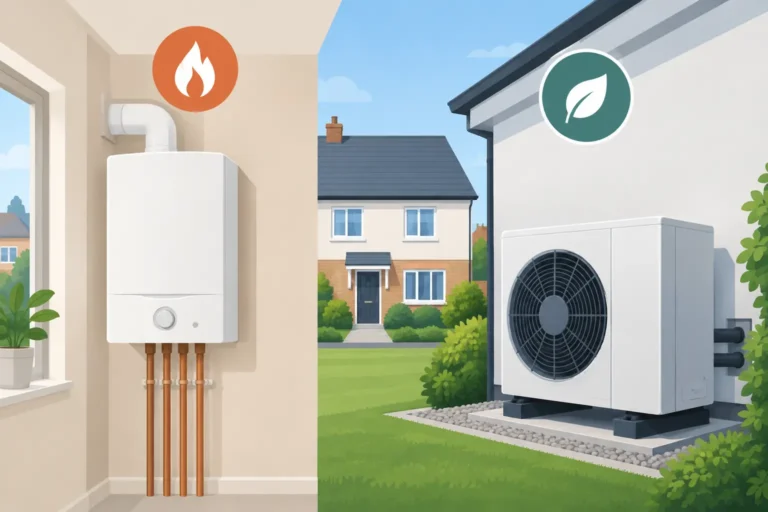
Central heating distributes heat around your home from one main source. In many UK properties, that source is a gas boiler which heats water and sends it through radiators. Other homes may be better suited to an air source heat pump or another efficient low-carbon option.
The practical benefit is simple: rooms can be heated more evenly, rather than relying on individual plug-in heaters or keeping the household in one warm space. A properly designed system can make bedrooms, hallways and living areas more comfortable, while giving you more control over when and where heat is used.
This matters particularly in older homes. Draughts, poor insulation and outdated heating equipment can all make a property slow to warm up and quick to lose heat. Replacing the heating system alone may help, but the best result is often achieved when heating and insulation are considered together.
When an upgrade could make sense
A heating upgrade may be worth exploring if your home has no central heating, electric storage heaters that are costly to run, an old non-condensing boiler, or radiators that do not heat rooms effectively. Persistent cold spots, high bills and condensation can also be signs that the property needs attention.
Not every home needs the same solution. A newer boiler might be appropriate where a current boiler is inefficient or unreliable. A first-time central heating installation may suit a property that has never had a wet radiator system. In some homes, insulation needs to come first, because there is little value in installing an efficient heating system if much of the warmth is escaping through the loft, walls or gaps around the home.
A property assessment helps identify what will genuinely make the biggest difference. It also avoids paying for work that is poorly matched to the building.
First-time central heating
First-time central heating is designed for homes that do not already have a central heating system. It can involve installing a heat source, pipework, radiators and heating controls, subject to the outcome of an assessment and available funding.
For households that have relied on electric room heaters, fires or other expensive forms of heating, this can be a major change. It may improve day-to-day comfort and make the home easier to manage in colder months. However, installation work is more involved than a straightforward boiler swap, so the property layout, fuel options and insulation levels all need to be checked first.
Replacing an old boiler
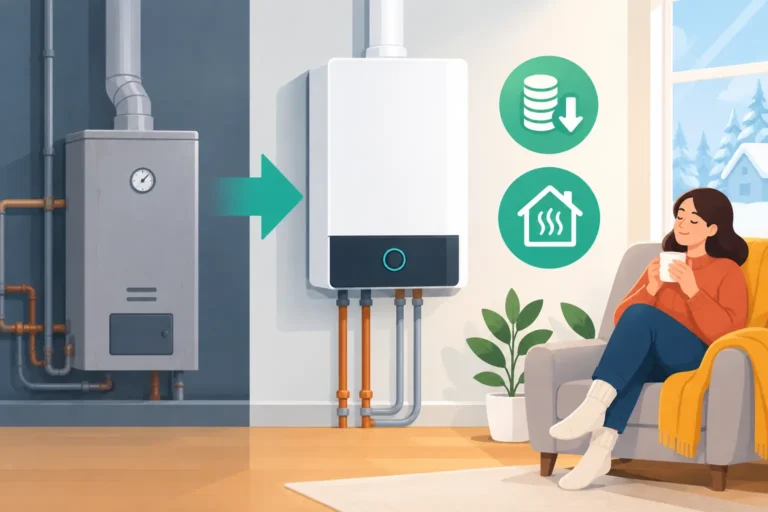
Older non-condensing boilers tend to waste more energy than modern alternatives. They may take longer to heat water, struggle to maintain a comfortable temperature, and become increasingly costly to repair.
A replacement boiler can improve efficiency, but it is not a guarantee that every bill will fall by a fixed amount. Your usage, energy tariff, household size and the condition of the home will all affect the outcome. Even so, moving away from an inefficient boiler can reduce unnecessary energy use and offer more reliable heating and hot water.
Considering an air source heat pump
Air source heat pumps take warmth from outside air and use it to heat your home and hot water. They operate differently from a gas boiler and generally work best in properties that can retain heat well.
That does not mean heat pumps are only for new-build homes. Many older properties can be suitable after the right improvements, especially insulation and radiator upgrades where needed. An assessment is essential because system design matters. The aim is not simply to fit new technology, but to choose an option that will keep your home comfortably warm at a sensible running cost.
How ECO4 funding may help with central heating
ECO4 is a government-backed energy-efficiency scheme aimed at improving homes that are expensive to heat and have poor energy performance. It is intended to help eligible households access upgrades that might otherwise be out of reach.
Funding is not a cash payment handed directly to the household. Instead, it supports approved energy-efficiency work following an eligibility check, property assessment and funding approval. Depending on your circumstances, improvements may be fully funded, so there may be no upfront cost for the measures approved for your home.
Eligibility can depend on factors such as qualifying benefits, being part of the Warm Home Discount core group, household income, and local authority eligibility criteria. Homeowners and private tenants may both qualify, although private tenants will normally need landlord permission before work can go ahead.
The condition and energy rating of the property are also relevant. ECO4 is focused on homes where improvements can make a meaningful difference, rather than treating every home in exactly the same way.
Why insulation should be part of the conversation
Turning up the thermostat cannot solve a home that loses heat as quickly as it receives it. Loft insulation, cavity wall insulation, internal wall insulation and solid wall insulation can all play a part in reducing heat loss, where suitable.
Think of insulation as helping your heating system work less hard. A warmer building fabric can mean rooms retain their temperature for longer, heating controls respond more effectively, and the household is less likely to feel the need to run the system constantly.
There are trade-offs. Not every insulation measure is suitable for every wall type or property condition. Damp, ventilation, existing insulation and construction type must be considered carefully. That is why a professional assessment matters: the right work should improve comfort without creating problems elsewhere in the home.
A simple route from enquiry to installation
Grant schemes can sound complicated, especially when you are already dealing with high bills and an uncomfortable home. The process should be clear from the start.
First, an eligibility check looks at whether your household may qualify for ECO4 support. This is a chance to discuss the home, your current heating and the information needed to assess your situation.
Next comes a free property assessment. This identifies how the home is heated, where heat may be escaping and which measures could be suitable. It is also where practical details are considered, such as space for equipment, the state of existing radiators and any permission needed from a landlord.
Finally, once suitable measures and funding have been approved, installation can be arranged. Vellurex can support the journey from the initial check through to coordinating the work, including handling ECO4 paperwork to make the process simpler and less stressful.
Preparing for a heating assessment
You do not need to be an expert before asking for help. It is useful, though, to have a clear picture of what is not working in the home. Make a note of the current heating system, whether some rooms stay cold, any boiler faults, and how long you have lived at the property.
If you rent privately, check whether you can contact your landlord easily. Their approval may be needed before certain improvements are installed. It can also help to have recent energy bills available, although high bills alone do not confirm eligibility.
Be honest about the property. Mention damp, draughts, previous insulation work and any access issues. These details help ensure recommendations are safe, realistic and appropriate for your home.
A warmer home can start with one check
No household should have to choose between heating the whole home and keeping costs manageable. If your heating is outdated, incomplete or unreliable, a free eligibility check can show whether funded improvements may be available. The right central heating and insulation measures can make your home more comfortable now, while helping it use less energy for years to come.